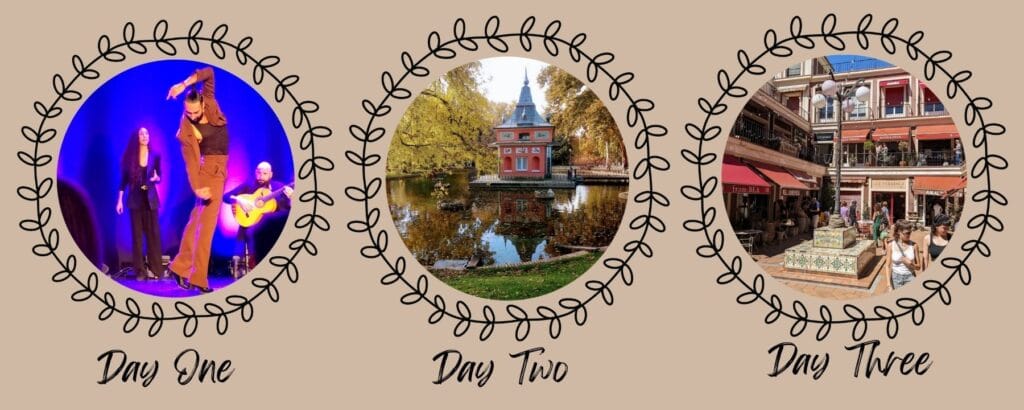
Visiting Madrid for the first time? Then this is the post for you! In it, I’ll present a three-day itinerary that’ll give you a flavour of the city and hopefully leave you coming back for more! As everyone is different, it has lots of options for you to adapt it to your needs. On day one, you’ll discover Madrid’s rich history, day two is dedicated to arts and parks, while day three lets you explore the city’s markets and neighbourhoods. There’s plenty of flexibility built in for different tastes and energy levels, so do read this one closely for a more tailored experience.
While there’s a lot to see, it’s a compact city, so if you’re staying anywhere in zone one of the metro, you’ll easily be able to cover this ground. If you need more information on getting oriented, check out my posts on where to stay and the transport system before diving into this first-timer’s tour of the city.
Day One: Old Madrid
Morning: Churros and the Historic Centre
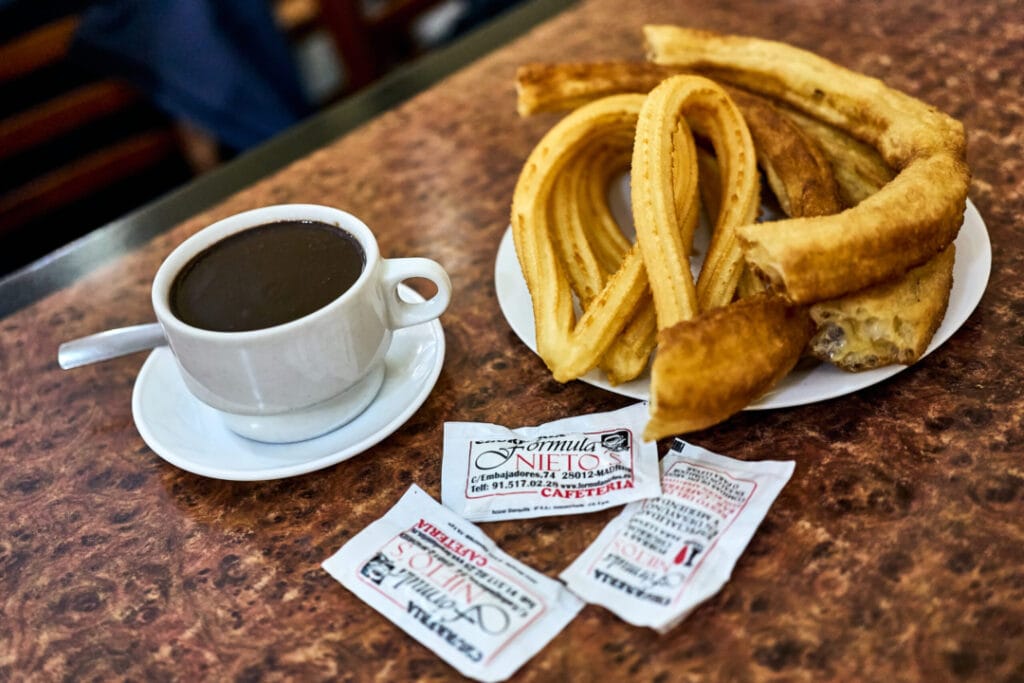
Start your Madrid adventure with something that’ll give you plenty of energy: churros and chocolate, a quintessentially Madrid breakfast. The place everyone recommends is indeed one of the best—Chocolatería San Ginés, conveniently located near Plaza Mayor. However, as San Ginés gets extremely busy with tourists, you could venture a little way out of the centre for an authentic local experience at Churería Fórmula Nietos near Embajadores Metro instead. This real old-school churrería lets you watch them frying the churros while surrounded by photographs of historic Madrid.
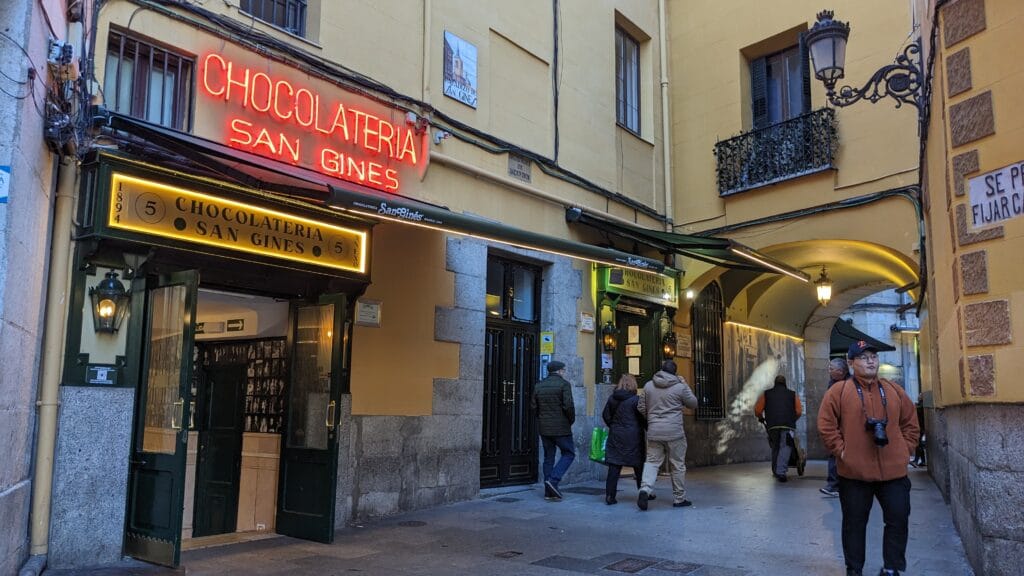
*If you’re gluten intolerant, don’t worry—Chocolatería 1902, near San Ginés, serves excellent gluten-free churros and chocolate.
Late Morning: Plaza Mayor
Properly fueled up on carbs and sugar, head to Plaza Mayor, one of Madrid’s most important landmarks. Created by Philip II when he made Madrid Spain’s capital in 1561, plans for this magnificent square were designed by architect Juan de Herrera and completed by another architect, Juan de Mora, under Philip III, whose equestrian statue stands in the centre.
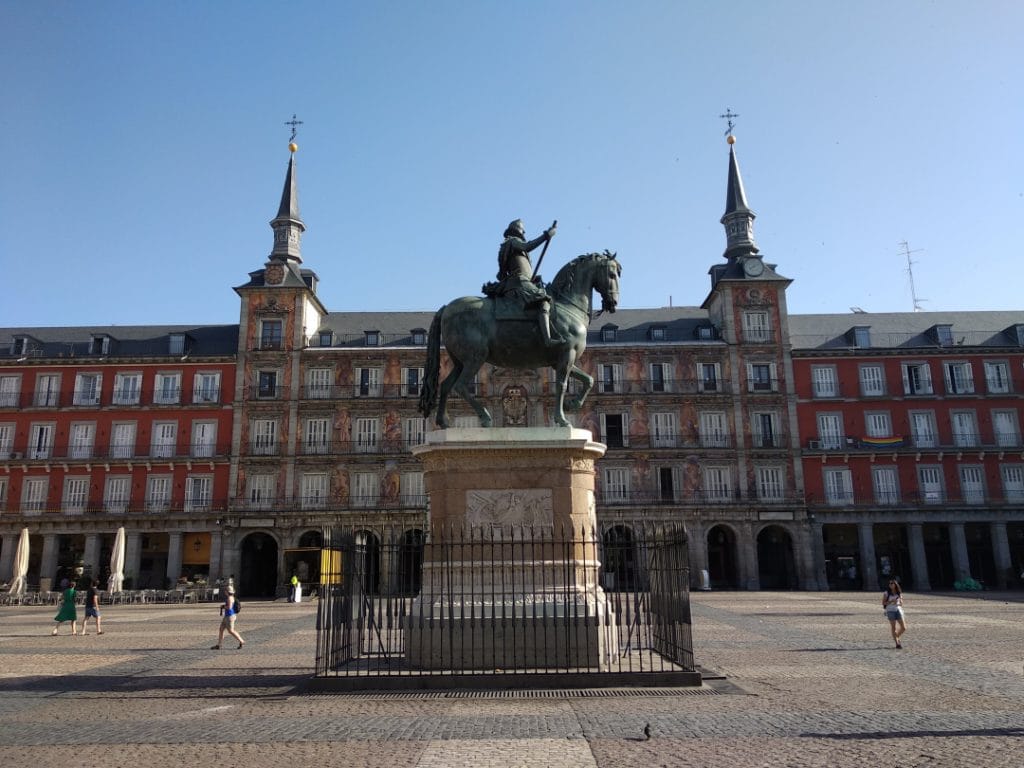
The square has witnessed countless historic events, from royal celebrations to auto-da-fé trials during the Spanish Inquisition. Drop into the tourist office in the Casa de la Panadería—one of the few buildings to survive the massive 18th-century fire—to orient yourself and learn more about the square’s fascinating history.
While the Plaza Mayor can be crowded, its sheer size means you can take your time. Better yet, slip down some side streets to discover quiet corners that most tourists miss. I’ve got a whole book about that for sale on this website. Quiet Madrid takes you to the tranquil spaces in hidden places just off the beaten track and is an excellent addition to any trip to the city. Please note that I don’t do sponsored content, so selling my own products is the way I keep this website going. This means all the places in this guide are my genuine recommendations.
Midday: The Royal Palace Area
Most visitors will head straight to the Palacio Real (Royal Palace) after the Plaza Mayor, but consider whether you really want to go inside. Yes, it’s full of grandeur and gold, beautifully decorated under Carlos III, but it can feel gaudy and lacks historical context unless you pay close attention to the audio guide. It’s also extremely busy, so you’ll need to book in advance (be sure to do that as it’s sometimes closed for ceremonial events).
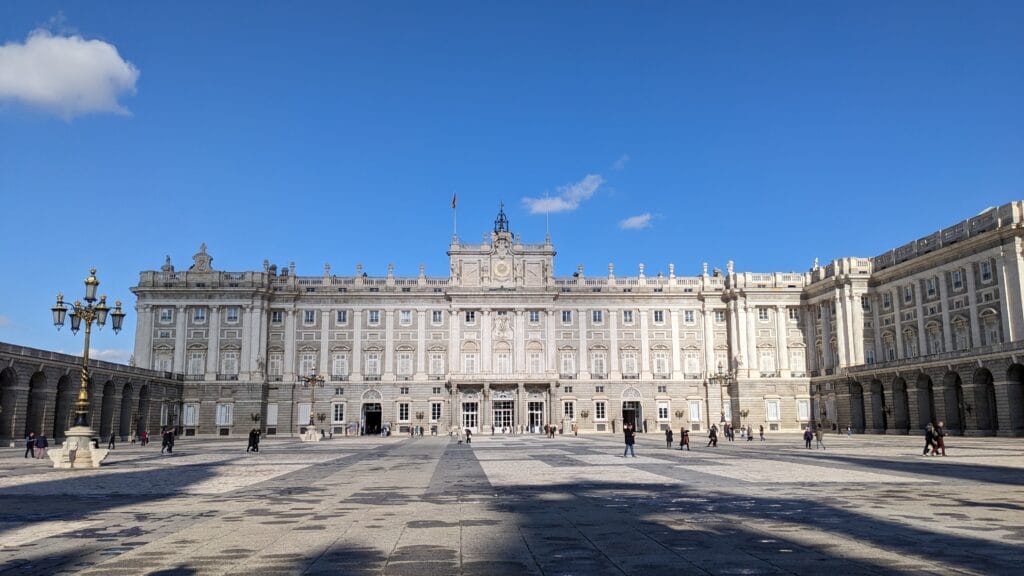
A better option? Visit the brand-new Galería de Colecciones Reales right next door to the Cathedral of Almudena. This gallery houses the royal collection with tons of information and context. If you do want the palace experience, it’s cheaper to get a combined ticket for both.
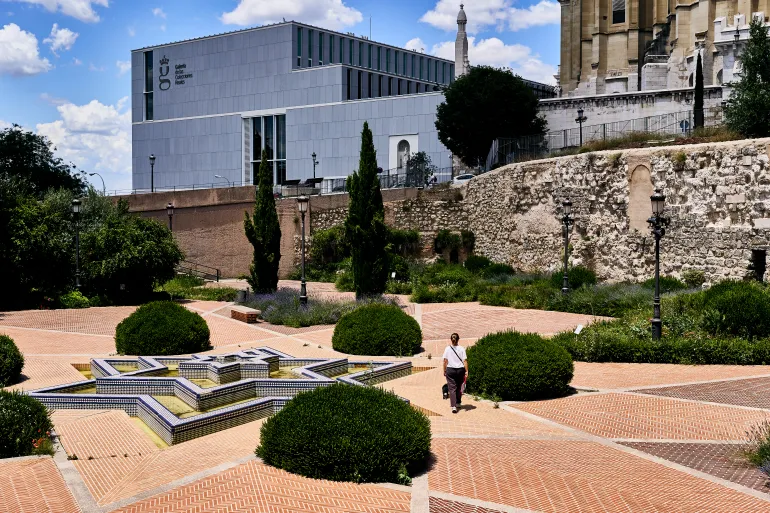
My top tip: consider skipping the palace interior entirely and just admiring it from outside.
Lunch and Afternoon: La Latina
By now, you’ll be ready for lunch. Skip the overpriced Botín (yes, it’s the world’s oldest restaurant, but it’s expensive) and head down Cava Baja into La Latina, one of Madrid’s most charming neighbourhoods.
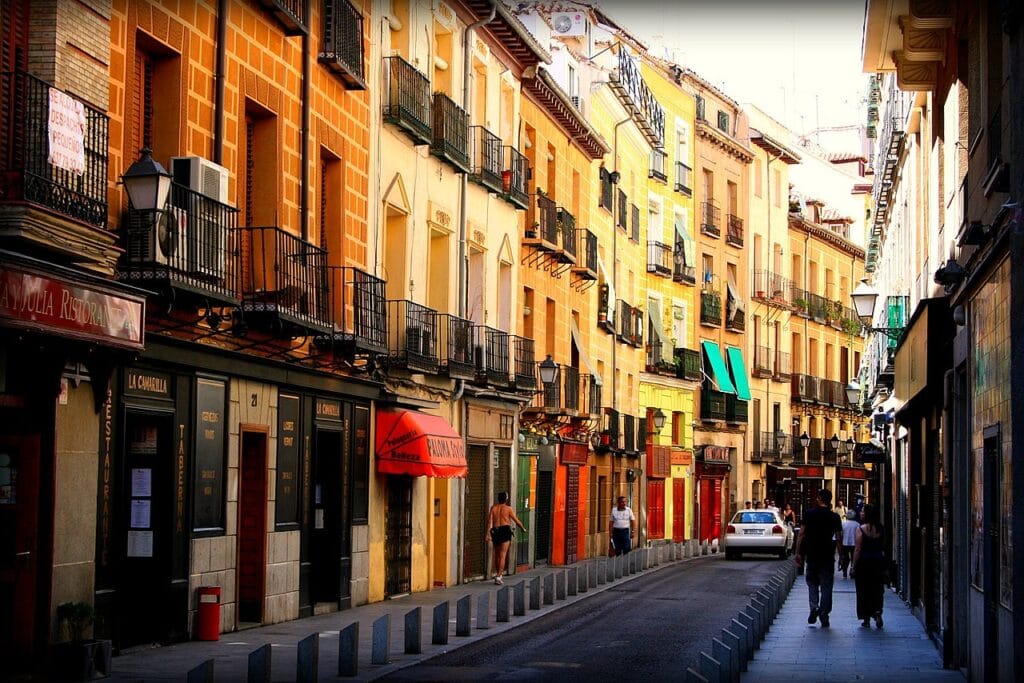
Cava Baja is lined with lovely traditional inns where you can’t really go wrong. The street itself is built on top of Madrid’s 12th-century wall, and in some of the old posadas (inns), you can still see remnants of this ancient fortification.
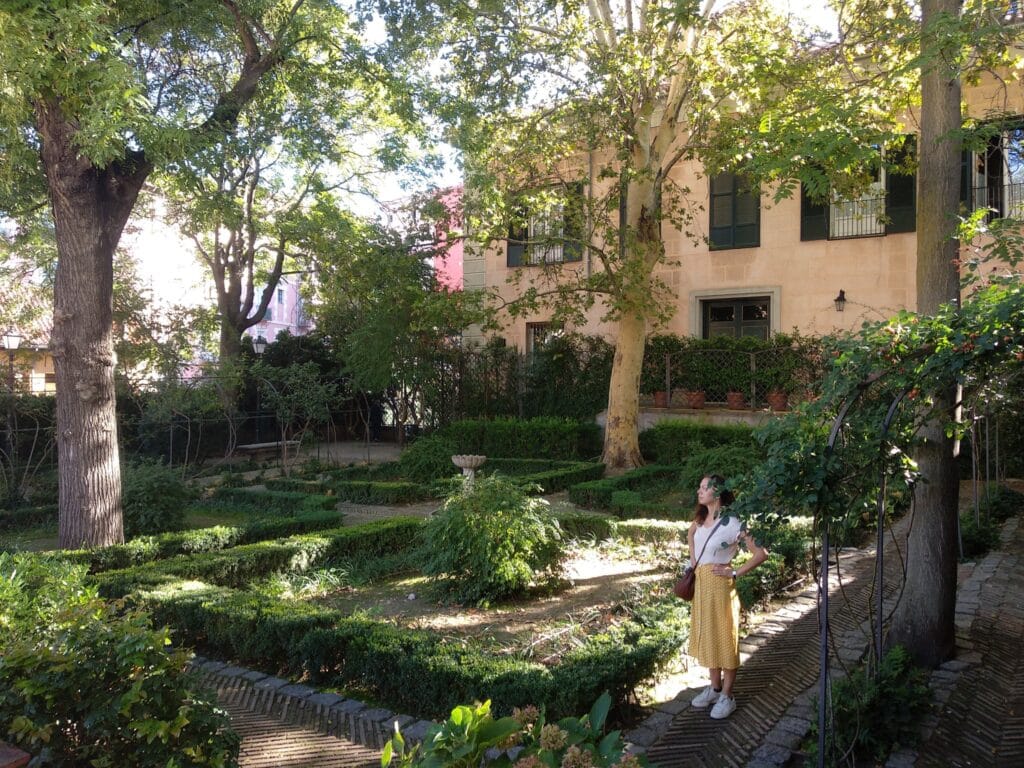
La Latina became part of Madrid in the 12th century, when Muslim residents were forced to relocate here. Explore Plaza de la Paja with its secret garden and visit the Museo de San Isidro to understand how Madrid evolved from “Mayrit” (meaning “place of abundant waters”), christened by Mohammed I of Córdoba back in the 9th century.
Don’t miss the Real Basílica de San Francisco el Grande, which has the largest dome in Spain and features works by Spanish masters, including a fresco by Goya. It’s a genuine hidden gem, far more impressive than the relatively new Cathedral of Almudena.

Evening: Views and Flamenco
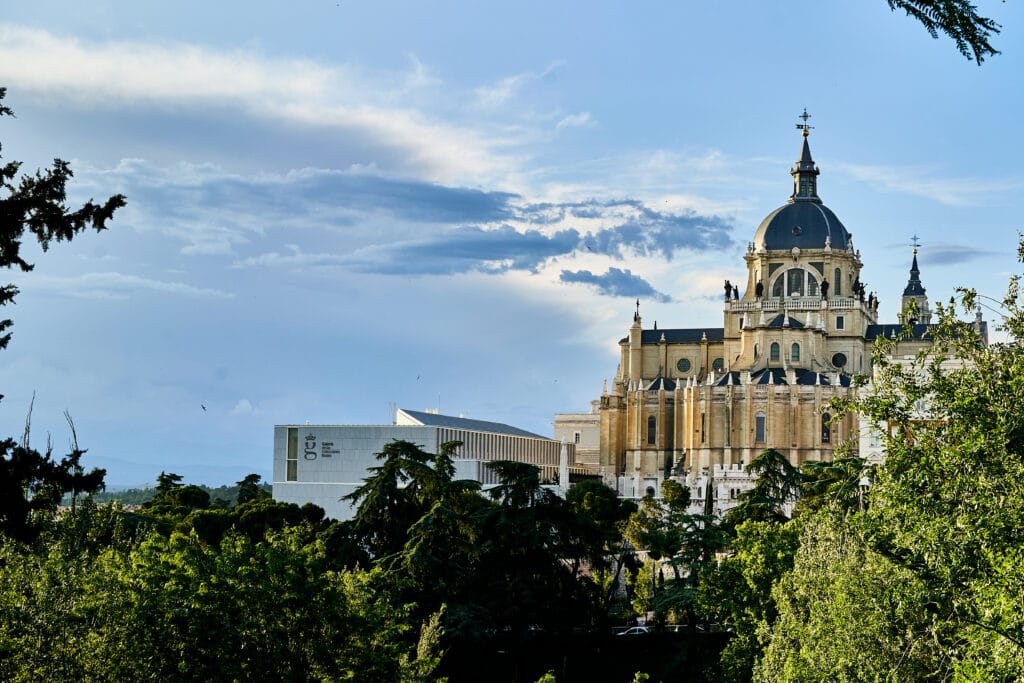
From La Latina’s Jardín de las Vistillas, enjoy beautiful views toward the palace and cathedral. As evening arrives, this area offers Madrid’s best flamenco venue: Corral de la Morería. Tickets are difficult to get and pricey, but this is the one place where the dinner is actually worth it.
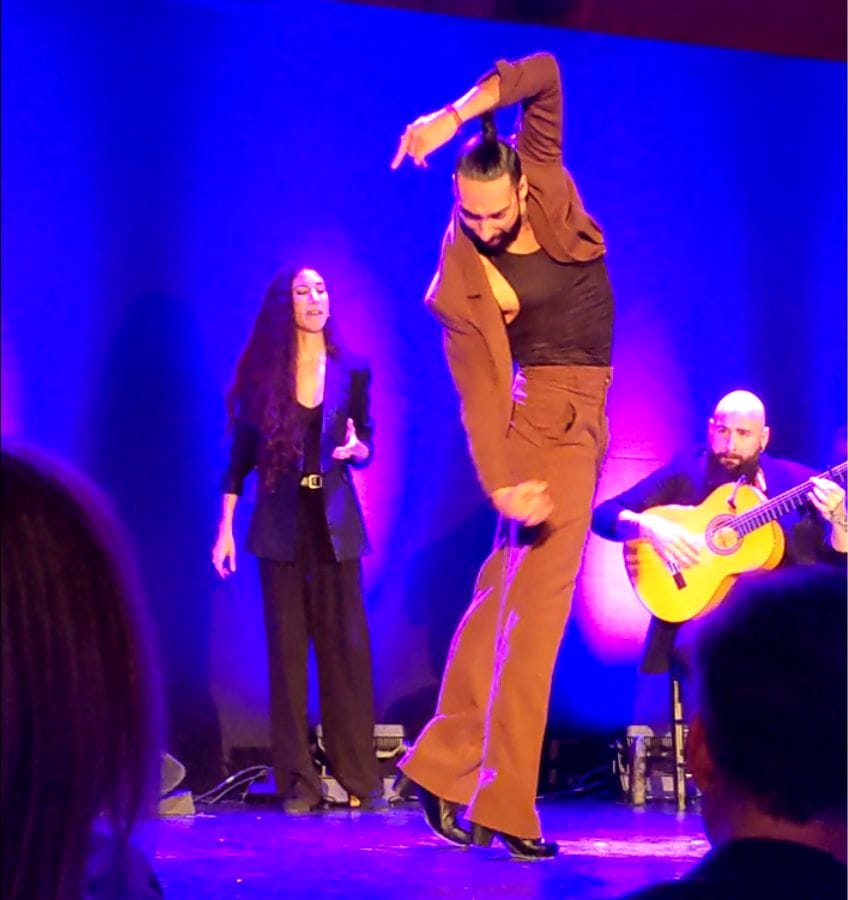
If you can’t get tickets, don’t worry. Try Las Carboneras, Tablao Flamenco 1911 (where Ava Gardner famously went), Cardamomo, or the Teatro Real. Madrid attracts top flamenco artists from Andalusia, and even though you’ll pay tourist prices, the quality is excellent.
*For a more structured tour of the palace area and La Latina, consider getting a copy of my VoiceMap audio tour, Medieval Madrid.
Day Two: Art and Parks
Morning: Breakfast and the Prado
To get breakfast near the Prado, head to Leyga for a typical Spanish breakfast—pan con tomate (bread with tomato), perhaps with some jamón on top to keep you going, and café con leche at a great price. Alternatively, try Plenti, a hip spot serving fantastic shakshuka, Mexican breakfasts and more. I love this place as they offer gluten-free bread for the wheat-adverse!
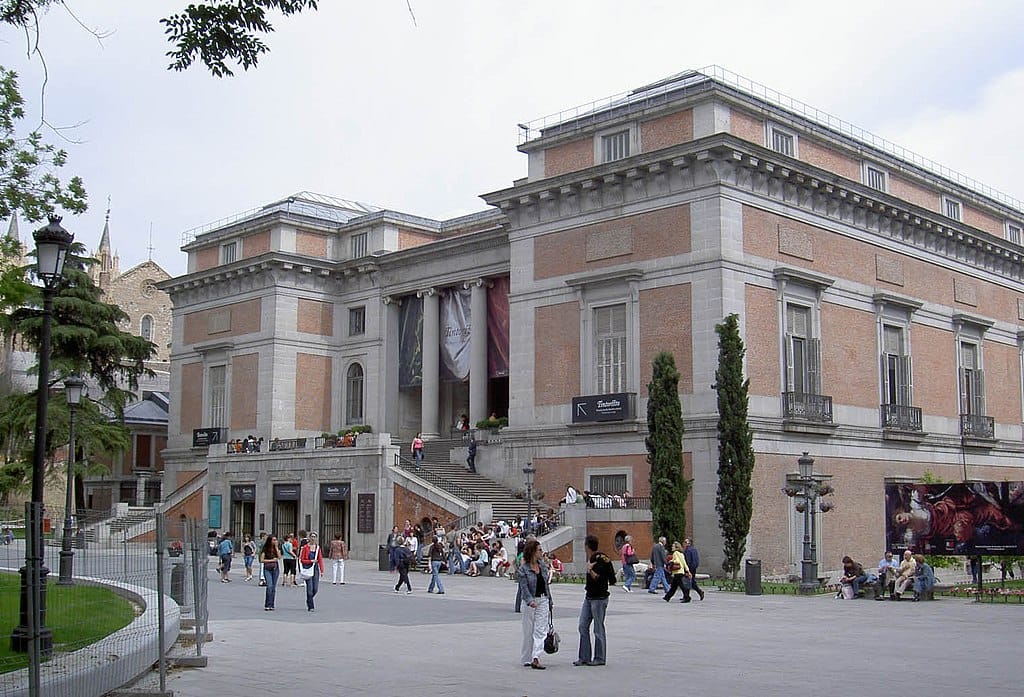
The Museo del Prado is Madrid’s most famous museum, and for good reason. It houses masterpieces by Velázquez, Goya’s black paintings, Hieronymus Bosch’s “Garden of Earthly Delights,” and countless other treasures. However, it can be overwhelming and crowded – for a more chill experience, you can look at my post on Quiet Corners of the Prado.
If you’re not keen on pre-20th-century art, consider the Reina Sofia instead, which focuses on modern Spanish artists like Dalí, Miró and Picasso. Or try the Thyssen-Bornemisza, which spans medieval to modern and includes works by Francis Bacon, Spanish masters, Monet, and Van Gogh.

For Renaissance and neoclassical art without crowds, visit the Real Academia de Bellas Artes de San Fernando near Sol. This is where Goya studied, and it houses beautiful paintings by him and other Spanish masters like Zurbarán in a peaceful setting.
Lunch: Menu del Día
Lunch options near the Prado can be pricey, so head to Taberna Jimmy’s for their menú del día—around 15 euros for starter, main course, dessert, and wine. The set lunch or menú del día is a Spanish institution and one of the best value meals you’ll find.
Afternoon: Retiro Park
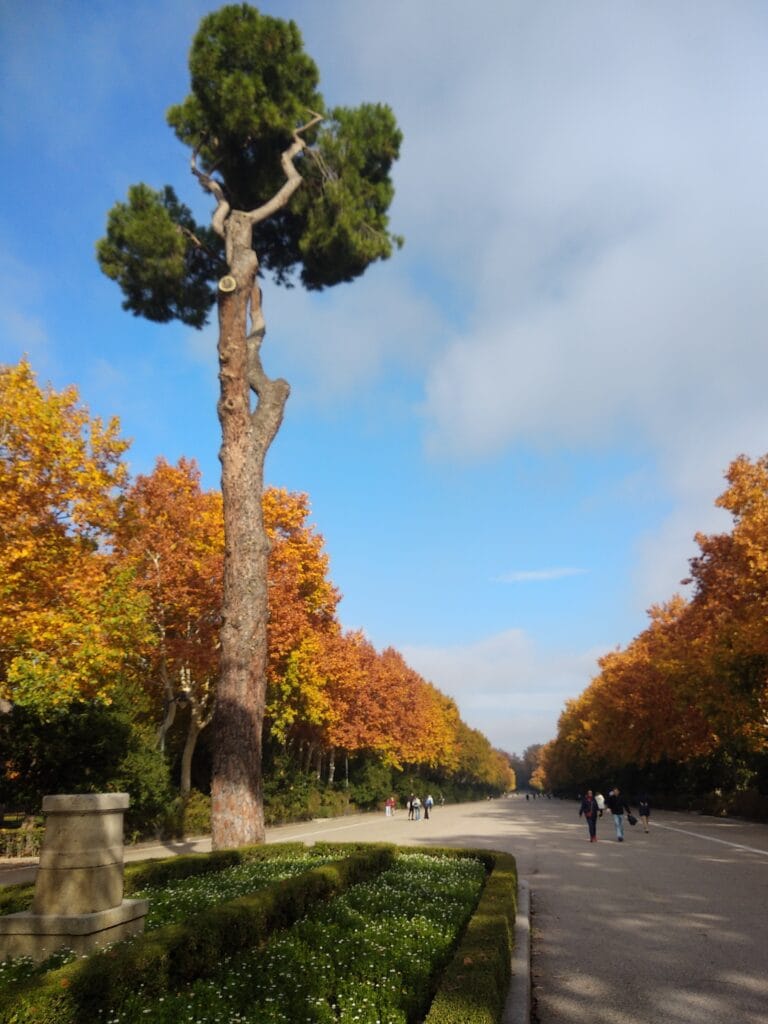
Work off lunch with a stroll through Retiro Park. Retiro is steeped in historic sights and if you’d to take them all in, consider getting my VoiceMap tour of Retiro Park, which guides you to the most important spots, starting by the remains of the royal palace and ending at a statue of the devil himself! Again, I don’t have sponsored content on my site, so if you appreciate what I do, buying one of my books or audio tours goes a long way to supporting this blog!
*Retiro is always gorgeous, but be warned that the iconic Palacio de Cristal is currently boarded up until 2027, and the neighbouring Palacio de Velázquez is also under renovation.
Evening: Rooftop Views
End your day with spectacular city views from either the Círculo de Bellas Artes rooftop cocktail bar or CentroCentro‘s (Palacio de Cibeles) viewing point. Both offer fantastic panoramas, and there’s a trick: at Círculo de Bellas Artes, you can get free rooftop access with an exhibition ticket. The institution hosts excellent exhibitions and is often part of PhotoEspaña photography festival.
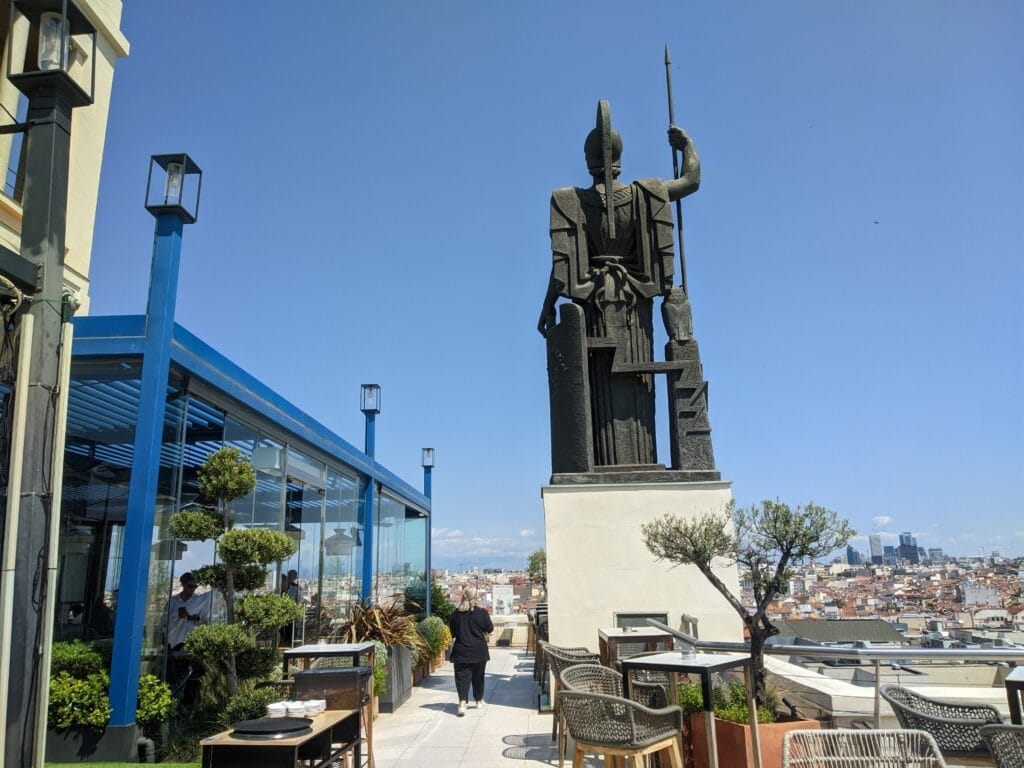
*Both Palacio de Cibeles and the Círculo de Bellas Artes were designed by Antonio Palacios, Madrid’s iconic early 20th-century architect, who also designed the metro logo and Tirso de Molina station.
Day Three: Markets and Neighbourhoods
Morning: El Rastro
If it’s Sunday, you’re in luck—it’s El Rastro day. This Madrid institution is where you’ll feel the authentic castizo (Madrileño) spirit of the city. The market has a history stretching back over 500 years and perfectly encapsulates Madrid’s character.
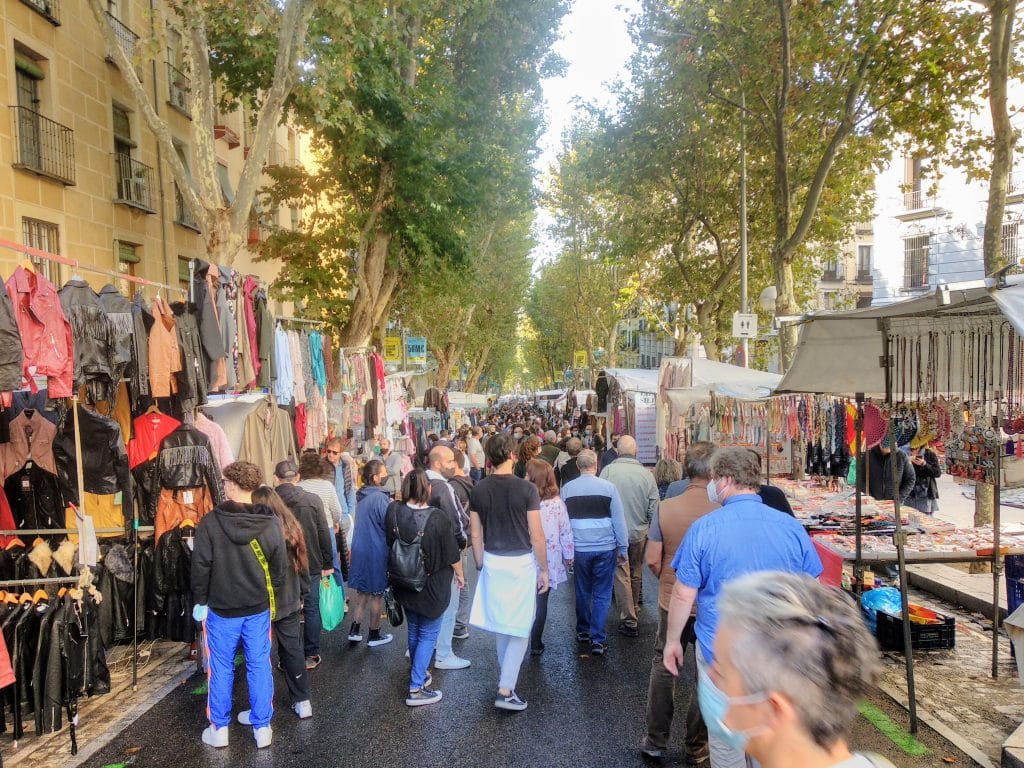
If you’re serious about finding treasures—vinyl, collectables, old magazines, antiques—arrive early: all the bargains get snapped up by early risers. But if you’re just there for the atmosphere, arriving around 10:30 am is fine.
The Rastro is enormous, so take your time wandering through old clothes stalls, new goods, and everything in between.
Lunch: Market Hopping
After the Rastro, head to one of three nearby markets:
- Mercado de San Fernando (near Embajadores metro)
- Mercado de la Cebada (near La Latina metro)
- Mercado de Antón Martín (near Antón Martín metro)
Madrid’s markets are absolute highlights. What were once dusty, decaying spaces have been revitalised with tiny eateries serving Mexican, Japanese, and traditional Madrid food alongside the original greengrocers and fishmongers. They’re lively, sociable, and affordable.
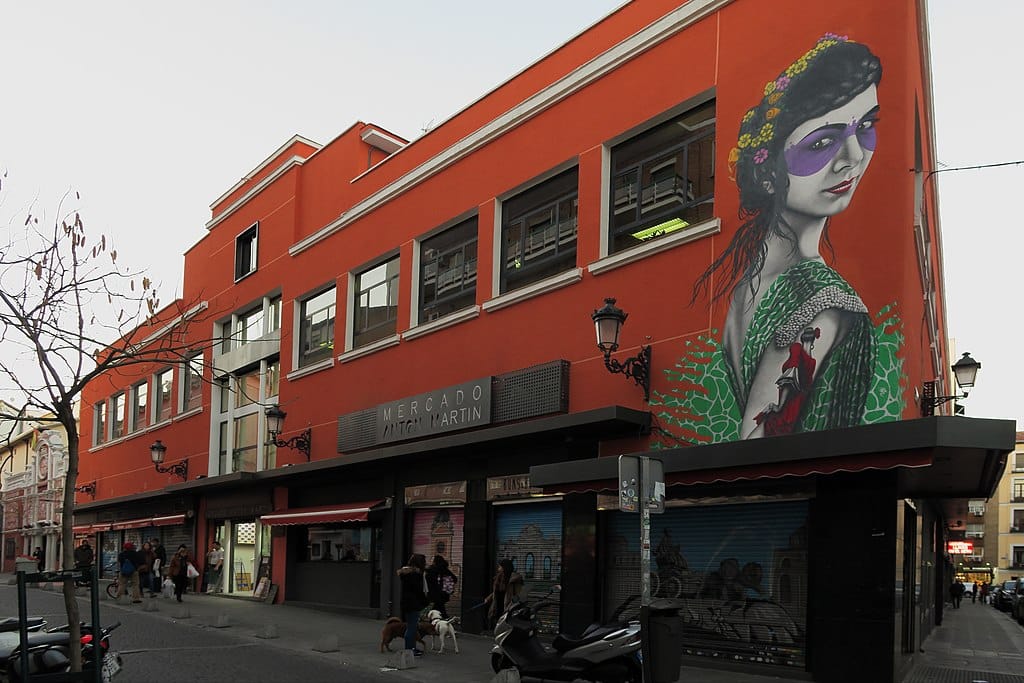
* Top tip: Skip the famous Mercado de San Miguel by Plaza Mayor—it’s beautiful but overpriced, overcrowded, and unpleasant compared to these local favourites, so I count it among Madrid’s most overrated attractions.
Afternoon: Neighbourhood Exploration
Choose a neighbourhood to explore based on your interests:
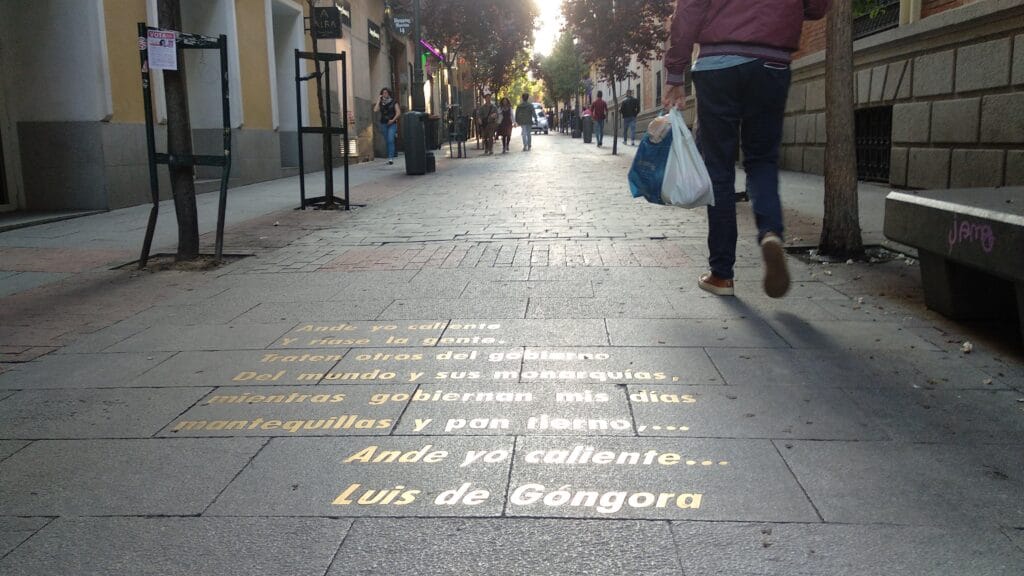
Barrio de las Letras (Literary Quarter): My top choice, easily walkable from the markets. This area is steeped in literary history—Cervantes wrote part of Don Quixote here, and you can visit Lope de Vega’s house. The neighbourhood has a lovely boutique feel, perfect for a lazy Sunday afternoon stroll. Don’t miss the Convento de las Trinitarias Descalzas, where Cervantes’s bones are buried, and the beautiful bookshop opposite. Another one worth visiting is David Price’s Secret Kingdoms English-language bookshop.
Lavapiés: Right next to the Rastro, this alternative neighbourhood is great for bar culture and afternoon drinking, though less ideal for shopping.
Malasaña: Head here for street fashion, vinyl, art shops, and little boutiques. It also houses my second-favourite museum, the Museo de Historia de Madrid, which tells the story of Madrid from 1561 onward when Philip II made it Spain’s capital.
Salamanca: If you love upmarket shopping and brand names, this posh (what Madrileños call “pijo“) neighbourhood is for you. Built in the late 19th century with grand boulevards modelled after Parisian architecture, it’s full of high-end shops.
Evening: Temple of Debod Sunset
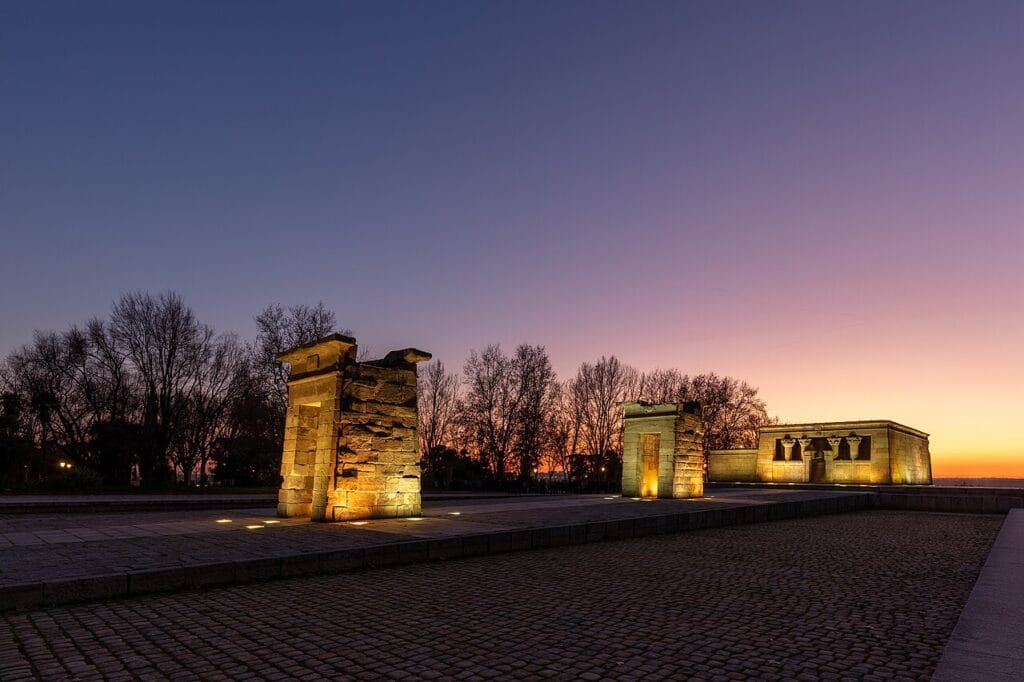
End your Madrid adventure on a high by heading to Plaza España Metro and making your way to the Templo de Debod, an ancient Egyptian temple relocated brick by brick from Egypt and reassembled in Madrid.
Set atop a park overlooking the Casa de Campo, this is where you’ll witness Madrid’s most beautiful sunsets: the Royal Palace often turns a lovely shade of pink as the sun goes down. There’s a wonderful festival atmosphere with people playing music and enjoying the views together.
Frequently Asked Questions
Where Should I Stay in Madrid?
Stay anywhere in Zone 1 of the Metro for easy access to everything in this itinerary. Madrid is a compact city, making most central neighbourhoods convenient bases. Consider your priorities:
- Near Plaza Mayor/Sol: Most central, great for first-timers, but can be touristy
- La Latina: Charming, historic, excellent tapas scene
- Barrio de las Letras: Boutique atmosphere, literary history, close to museums
- Malasaña: Hip, alternative, great nightlife and shopping
- Salamanca: Upscale, quieter, elegant architecture
Check out my detailed post on where to stay in Madrid for comprehensive neighbourhood guides.
When Should I Visit Madrid?
Madrid is wonderful year-round, but each season has its character:
Spring (March-May): Ideal weather, festivals, and outdoor life. Can be busy but worth it.
Summer (June-August): Hot! Many locals leave in August. Museums are less crowded but expect temperatures over 35°C (95°F). Great if you don’t mind the heat.
Autumn (September-November): Excellent weather, cultural season kicks off, fewer tourists than in spring.
Winter (December-February): Cold but rarely freezing. Christmas markets and decorations are magical. Museums are quieter. Perfect for art lovers who dislike crowds.
What Shouldn’t I Miss?
Absolute must-dos:
- Churros and chocolate for breakfast
- At least one of the art museums (Prado, Reina Sofía, or Thyssen)
- A traditional market (San Fernando, La Cebada, or Antón Martín)
- Sunset at Templo de Debod
- El Rastro market (if visiting on Sunday)
Hidden gems worth prioritising:
- Real Basílica de San Francisco el Grande over the Cathedral
- Galería de Colecciones Reales over the Royal Palace interior
- La Latina neighbourhood exploration
- Real Academia de Bellas Artes de San Fernando for crowd-free art
- Retiro Park (despite current renovations)
What you can skip:
- Botín restaurant (overpriced, touristy)
- Mercado de San Miguel (beautiful but not worth the crowds and prices)
- Royal Palace interior (unless you truly love royal palaces)
The beauty of Madrid is that you can mix major attractions with authentic local experiences. Don’t be afraid to wander down side streets, pop into neighbourhood bars, and follow your instincts. Some of the best Madrid moments happen when you’re not ticking off a checklist.
If you’re like me and seek peaceful corners even in busy cities, Quiet Madrid will be your perfect companion. It’s filled with my original photographs and reveals hidden gardens, secret courtyards, and tranquil spots throughout Madrid – including many right in the centre that most visitors never discover.