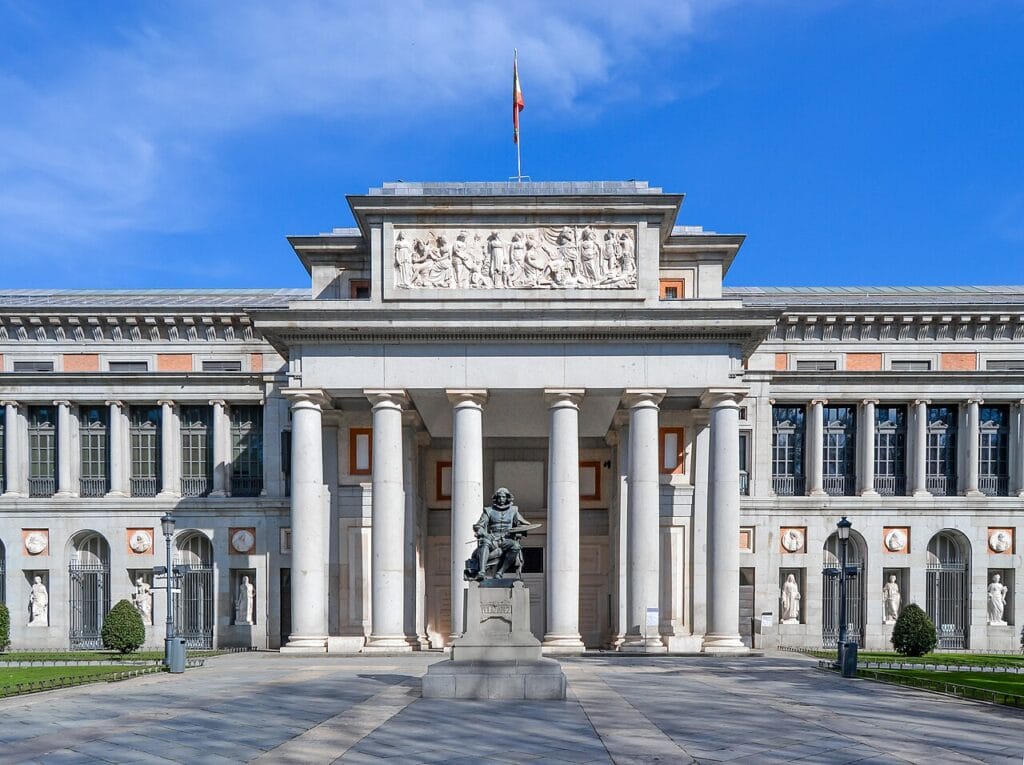
The Prado is at the top of most people’s itineraries on a first visit to Madrid, but with visitor numbers to this enormous museum increasing, it can all feel a little overwhelming. That’s why a bit of planning is essential to get the most out of it. In my recent podcast, I covered tips and tricks to help you make your visit as smooth as possible, ensuring you get to see all the big masterpieces and understand a little about the background of the collection along the way. If you’re pressed for time and would prefer to read, this post serves as a guide for anyone looking for an introduction to the magnificent museum.
Prefer to Listen?
The elephant in the room: it’s busy
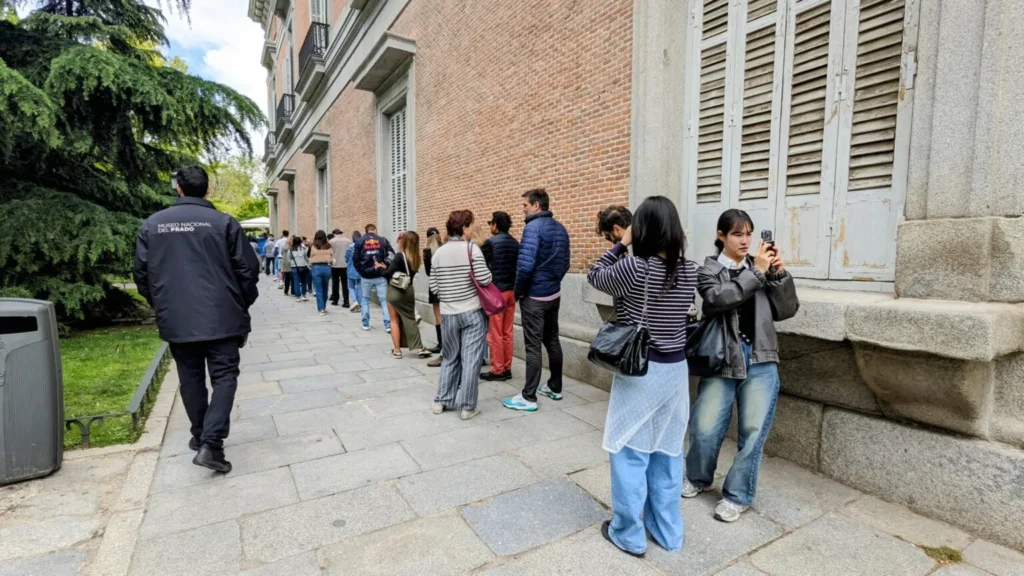
Let’s address it straight away. Everybody wants to visit the Prado. After it hit 3.5 million visitors in 2025, the director came out and said, “The Prado doesn’t need a single visitor more. We feel comfortable with 3.5 million. A museum’s success can collapse it, like the Louvre, with some rooms becoming oversaturated. The important thing is not to collapse.”
I’ve just been to the Louvre, and I could see exactly what he meant; some of those rooms, especially the one with the Mona Lisa, feel like a crush. The Prado is nowhere near that bad, partly because it’s strict about timed entry, so you do need to book your ticket in advance. And while we’re on the subject: be wary of scams when you’re booking, and stick to the official website.
Personally, I think that the Prado’s own two big hitters, the Garden of Earthly Delights and Las Meninas, offer a far more rewarding experience than the Mona Lisa, making it well worth shuffling your way forward through the scrum to get a peek at them. This is mostly because, unlike da Vinci’s masterpiece, the canvases are huge and there is a lot going on. In fact, you’ll want to stay and contemplate them for quite some time. How long you can stand the mountain pressure from those behind you, eager to get a peek, is up to you!
Sort your ticket
If you turn up on the day hoping to get in, you might not get lucky; there may simply be no free slots left, so book a week in advance to avoid disappointment.
If you know you’ll want to see more than just the Prado, consider getting the Paseo del Arte card, which covers three of Madrid’s museums for €32.80 and can be used within a year of purchase. With it, you can get in without booking ahead for a timed entry slot.
If you actually live in Madrid, there’s a better option: the annual card for state museums, which costs €36.06. It gets you into the Prado, the Reina Sofía, the Archaeological Museum, the Museum of Romanticism and the Cerralbo, among others. You don’t need to book in advance for this one either, but you will still have to line up to get a ticket on the day. The only drawback is that it doesn’t cover the Thyssen-Bornemisza.
Which entrance to use
There are two entrances to choose between. Most people head for the Jerónimos entrance, downstairs in the modern annex round the back. But I’d point you upstairs, above the ticket office, to the Goya entrance instead, simply because this way you can make better sense of the collection.
Whichever way you go in, pick up the free paper guide. It marks out the star artworks and rooms, and plenty of visitors treat it a bit like an “I Spy” book, ticking off paintings as they go.
From the author
Want to escape the tourist crowds?
My ebook Quiet Madrid reveals the tranquil spaces and hidden places that most visitors never find — five neighbourhood walks, insider timing tips, and a Lonely Planet writer’s years of local knowledge.
Get your copy — €15 → Interactive ebookStart with the Habsburgs
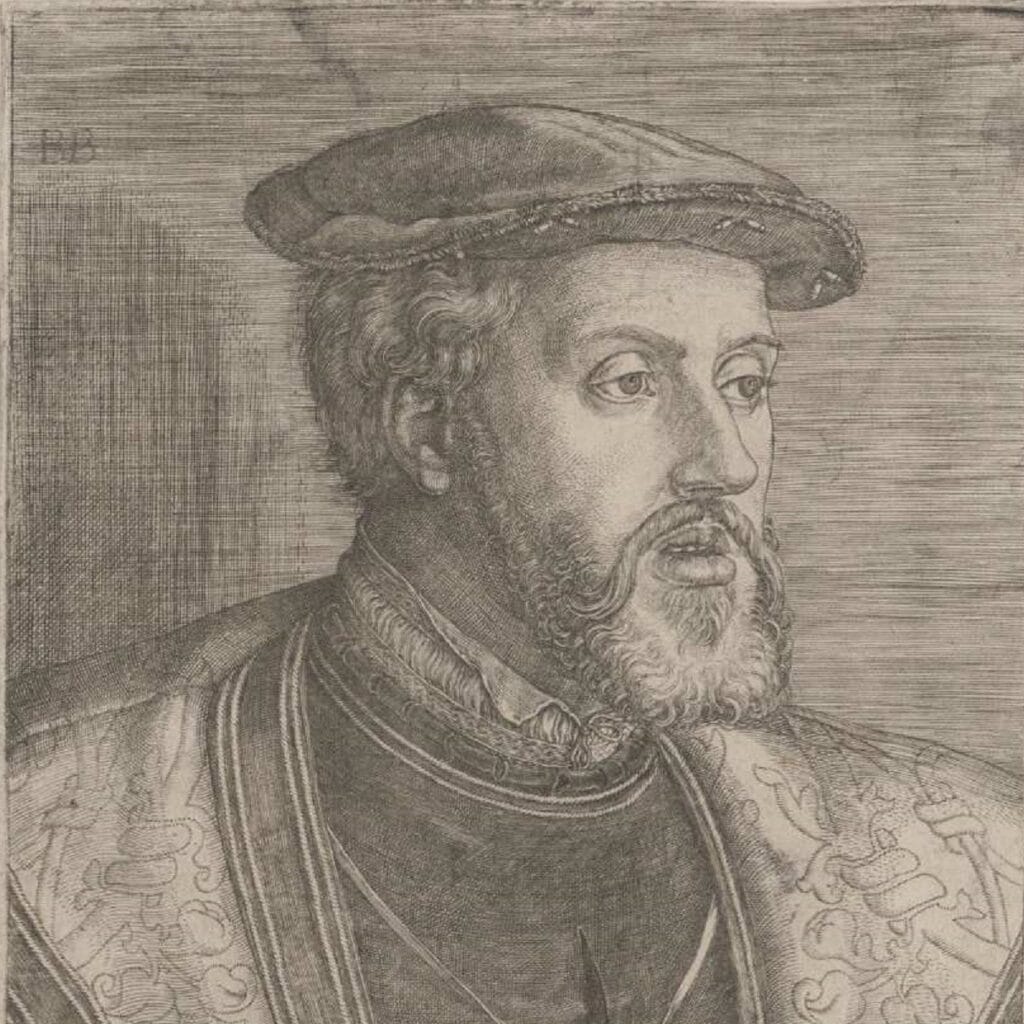
I’d start upstairs, in Room 27, where you’ll find Titian’s portrait of the enormously powerful Habsburg King Charles V (Carlos I of Spain) on horseback at the Battle of Mühlberg. Also painted by Titian and right next to him is his son, Felipe II, the king who made Madrid the capital of Spain in 1561. This pair are responsible for building on the medieval collection of Isabel & Ferdinand by buying up lots of works of art by Italian and Flemish masters, with Titian being a particular favourite.
Nearby, you can also spot a painting of the Duque de Lerma by Rubens. This painter was drawn to Madrid by the vast royal collection and visited during the reign of Felipe III in his capacity as both diplomat and painter. Felipe III was an underwhelming successor to his father Felipe II, who commented: “God has granted me so many territories but has denied me a son capable of ruling them.”
Sure enough, when Felipe III became king, he handed over the reins of power to the devious Duke of Lerma. By the time Rubens arrived, the artist was told not to bother currying favour with the king but to paint the portrait of his valido, the Duke, instead. Rubens later wrote: “It is difficult to conduct affairs in a country where a single man has the power and where the King is only a figurehead… This is a state of affairs which cannot long endure. May it please the Lord to change it for the better.”
Sure enough, the Duke lined his own pockets and bankrupted the crown, meaning that Spanish subjects took a very dim view of their king from that point on.
The golden age: Velázquez and company
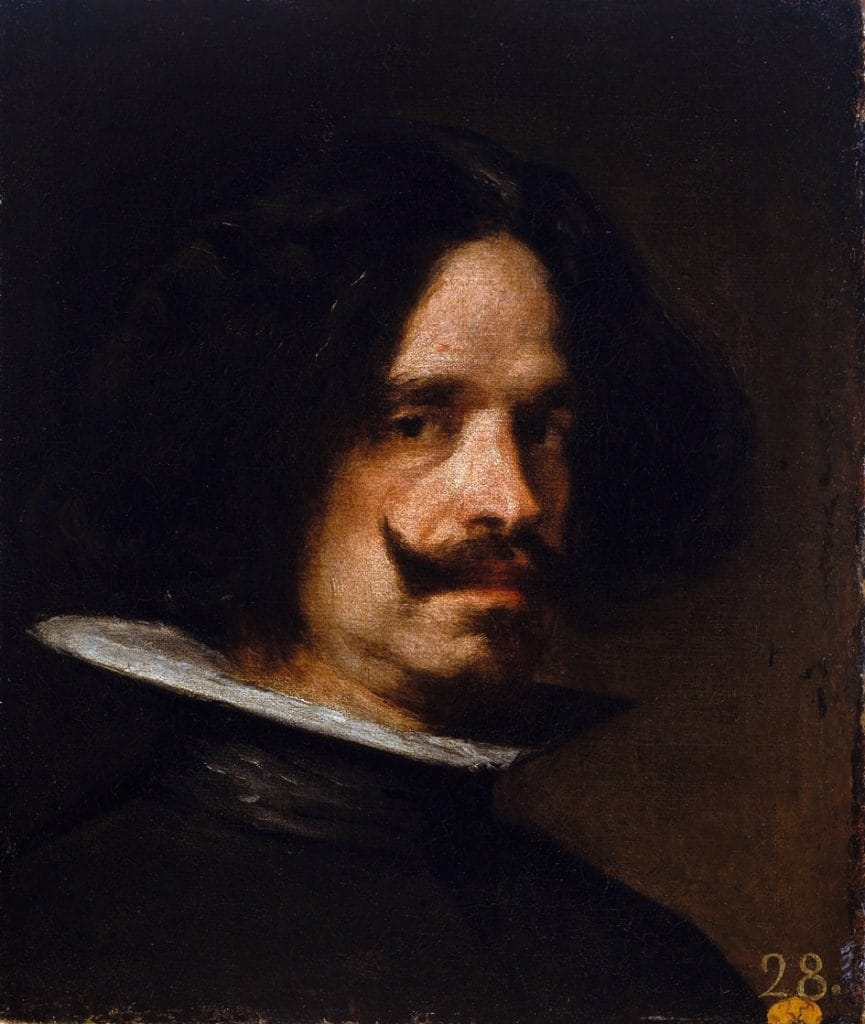
The Velázquez rooms close by represent the pinnacle of the golden age of Spanish art: the Siglo de Oro. This happened during the rule of Felipe IV (successor to Felipe III), another king who preferred to leave the business of government to someone else; his valido was the Conde Duque de Olivares. Though a pleasure seeker at heart, Felipe IV tried to cosmetically mend the damage done under his father’s rule by abolishing the ruff in favour of a stiff, flat, almost sci-fi collar that sticks out as if the wearer’s head is sitting on a plate. This was an attempt to create a new, more serious image for the crown.
Spend some time with Velázquez, but remember the Siglo de Oro owes a real debt to the Italian Renaissance. His showstopper is, of course, Las Meninas, but there’s plenty more to see by the painter besides this. You shouldn’t forget to also check out his antecedents. Velázquez himself wasn’t able to travel to Rome much, but he learned from a painter who doesn’t get talked about nearly enough outside Spain: José de Ribera, also known as Jusepe. A Spanish painter living in Naples, who in turn learned from Caravaggio, the master of tenebrism, a technique that uses sharp contrasts of light and shadow.
Goya
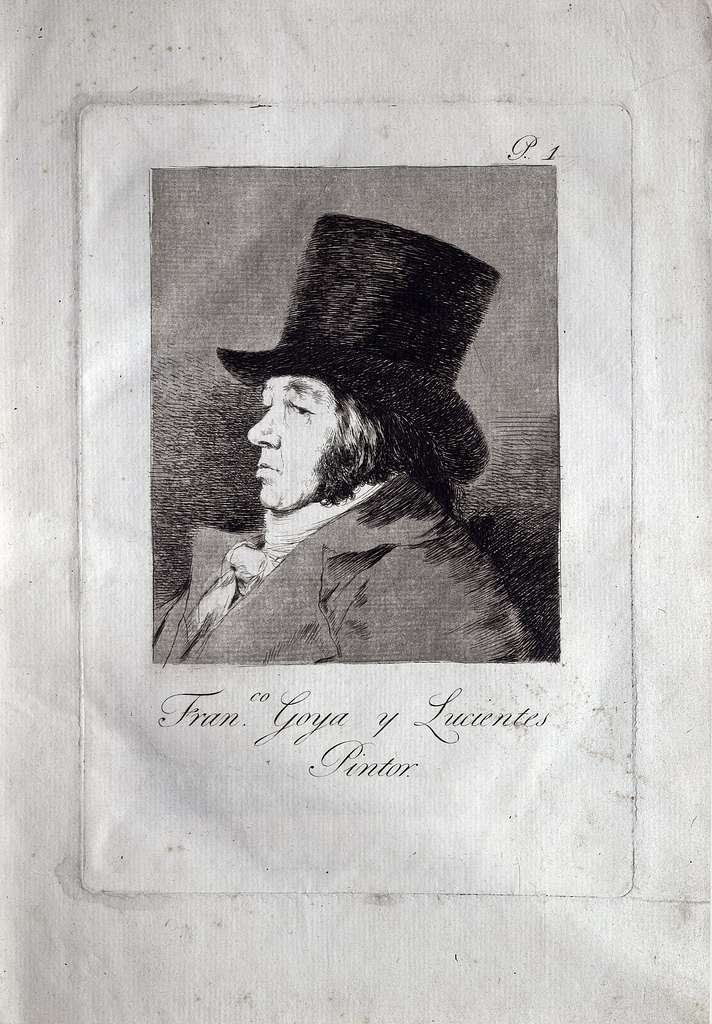
Goya’s style was hugely influenced by Velázquez. This can particularly be seen in the feathery impressionistic brushwork for Goya’s portrait of the clothed and naked maja (both on the same floor as the Siglo de Oro work) and in his picture of the Spanish royal family, in which he’s placed himself with an easel in the background in just the same way Velázquez did for Las Meninas.
But it’s downstairs in Room 67, where Goya’s work really startles. This is where you can find the Pinturas Negras or the Black Paintings. These were executed after the French occupation of Spain when the artist was severely disturbed. Shockingly bleak, the primitive figures in these masterpieces heralded the dawn of modern art. Incidentally, if you want more Goya after all that, and a break from the crowds, head to the Real Academia de Bellas Artes de San Fernando, which has plenty of his work and is far less crowded.
Other highlights on the ground floor
Once downstairs, you have to see Bosch’s Garden of Earthly Delights, which sits in a room filled with other paintings by the Flemish master – Felipe II was a big fan! Nearby, look out for Dürer’s self-portrait, Bruegel’s Triumph of Death, and Van der Weyden’s Descent from the Cross. I’m also fond of the nineteenth-century rooms; in particular, Francisco Pradilla y Ortiz’s dramatic painting of Juana the Mad looking at the casket of her late husband, Philip the Handsome.
Where to take a breather
The Prado is exhausting, so try to build in some quiet moments. The excellent if slightly pricey café is one option. So is the recreation of a 12th-century hermitage, tucked away in the medieval art section. This is in Room 051C, where Mozarabic frescoes from the Hermitage of San Baudelio, near Soria are displayed. I also love the Moneo Cube: the seventeenth-century cloister of San Jerónimos, rebuilt inside the Prado, where you can see bronze sculptures of Charles V and his son, Philip II — bringing you neatly back to where the collection started.
Where to next?
My favourite place to refuel after a trip to the Prado is either Plenti or Taverna Jimmy’s, both nearby. I’d also suggest stretching your legs in Retiro Park, where you can hear all about the history of this green space from the days it was a royal retreat for Felipe IV with my audio tour which is available on Voicemap.