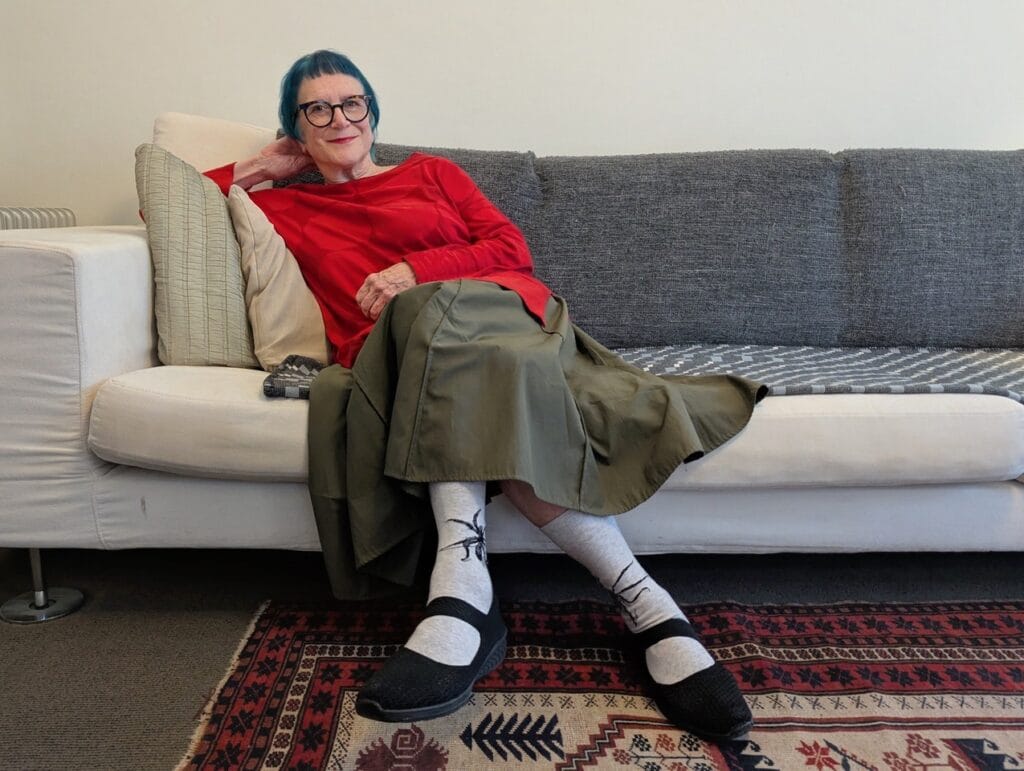
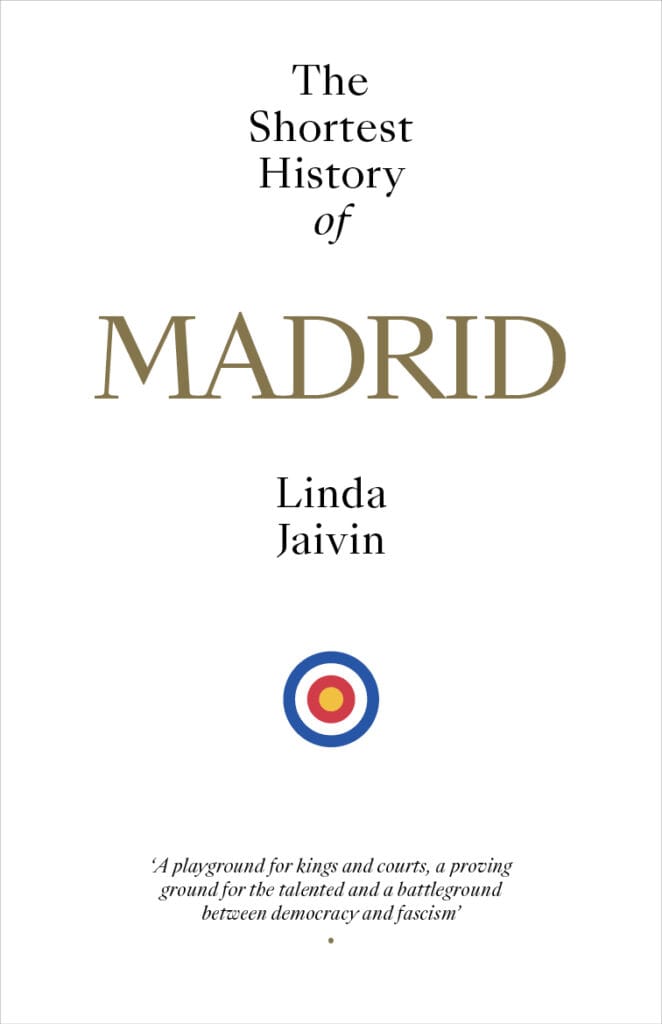
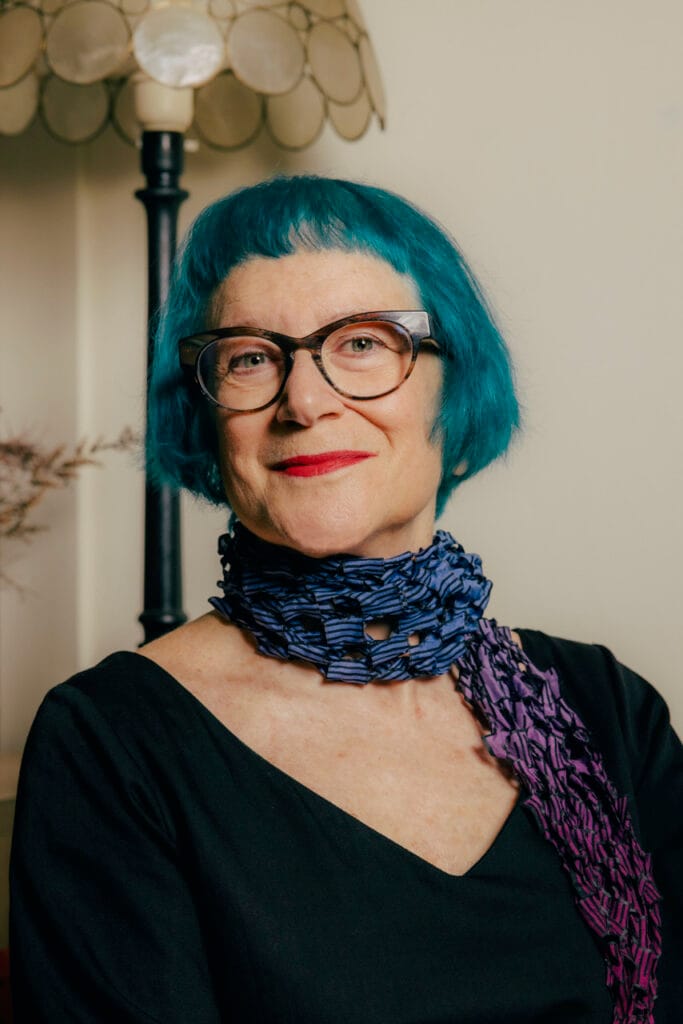
To coincide with the launch of her book “The Shortest History of Madrid”, Linda Jaivin sat down with me to discuss the history of Spain’s capital. It’s a great episode of the podcast that touches on the fearless women, wild fashion trends and popular uprisings that have shaped the city’s history across the ages.
Linda is a prolific writer, translator and cultural commentator based in Australia. Well-known for both her novels and work on China, in this book she turned her attention to Spain’s capital, which she describes as “A playground for kings and courts, a proving ground for the talented and a battleground between democracy and fascism.”
We began, of course, with her fascination with the city, citing her love of its contradictions and “brokenness”.
“I mean that in the most lovely sense of the word; a place that is not monolithic, that doesn’t present a surface that you can’t get beyond. Madrid is full of little winding streets and it’s full of so many different types of architecture. And when you begin to understand what happened there, you begin to see it as so rich. It reminded me in some very weird ways of Beijing.”
Women in Madrid’s history
Linda is keen to highlight women’s histories, noting that half the population has always shaped history but often gets overlooked. Two women in particular were highlighted in this interview: Beatriz Galindo, a 15th-century scholar who tutored Queen Isabella’s children and quite possibly advised her on policy and Almudena Grandes, a modern Spanish author known for her unflinching portrayal of Spain’s past, including the Civil War.
In the interview, Linda revealed that she felt a kinship with Almudena as they both launched their careers as authors with transgressive novels. Linda with Eat Me and Grandes with The Ages of Lulu.
“When I was reading about Almudena Grandes, I thought, ‘ah, a kindred spirit’! She really was passionate about the need not to forget, as in the pact of forgetting about what had happened in the Civil War and the dictatorship. She was absolutely devoted to telling the truth about what had happened through her writing,” says Linda.
Rebellions through the ages
A theme that ran through the interview was the rebellious nature of Madrileños, rebellious nature of Madrileños, beginning with the Comuneros but epitomised in the Esquilache Riots: “There was this huge riot that raged through the town against Escalache, who fled. The king ended up going, ‘Oh, I think we should flee too’! So the royal family fled. When Madrid’s people get going, they get really going!”
How fashion has shaped the city
Linda is fascinated by how fashion shapes history, pointing out that the Esquilache Riots were sparked by a row over clothing, when the king’s advisor mandated that Madrileños could no longer wear their beloved cloaks and wide-brimmed hats. During the Movida after the transition to democracy, clothing was also a key part of rebellion.
“That was a time when people had been living under this super-conservative government, this dictatorship, for so long. And they just went completely punk. I love the photographs of this era. The styles were so out there. There was such wonderful clothing, such wonderful fashion, with huge hairdos and fantastic makeup. It was really rebellious.”
Symbol of Madrid
In the interview, we also touched on the historical background of the Meninas statues, figures inspired by a daring fashion statement made by Mariana of Austria, that have now become iconic in Madrid.
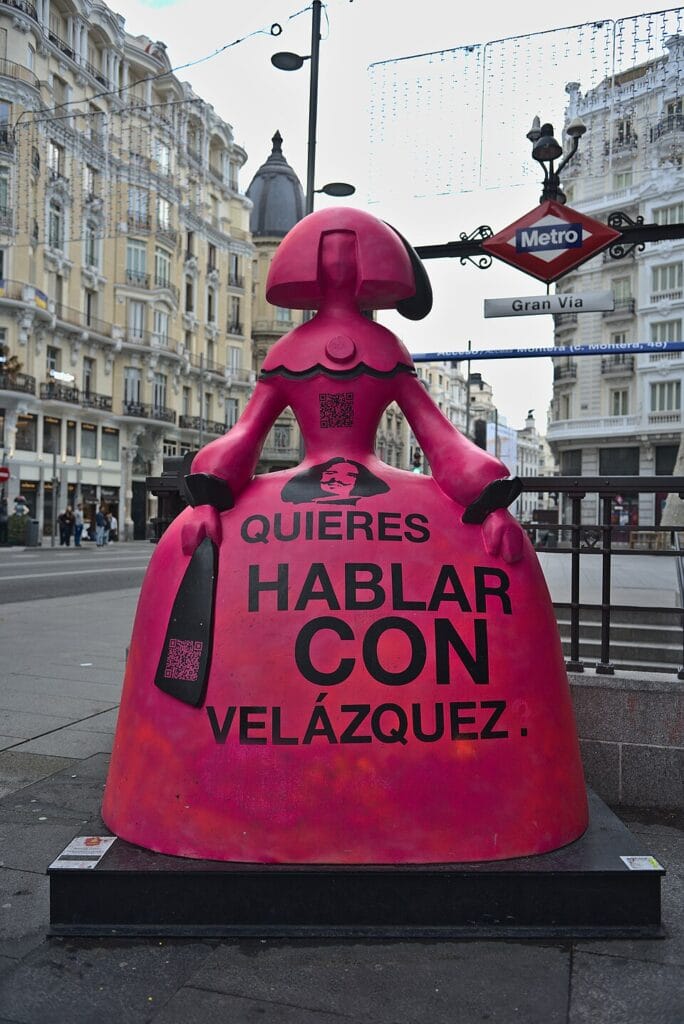
“That classic silhouette comes from Velázquez’s portrait of Mariana, because she also had a wig in that shape, like a half moon. So you have these two semi-circular shapes,” says Linda. “Mariana of Austria was an absolute fashion plate. Velázquez’s painting of her in her guardainfante [skirt over a cage that juts out at the hips] was so wide that he had to add a strip to the canvas to properly paint this portrait!”
Check out the podcast
If this has whetted your appetite, you can listen to or watch the full episode on Spotify, YouTube, Apple Podcasts and Amazon Podcasts.