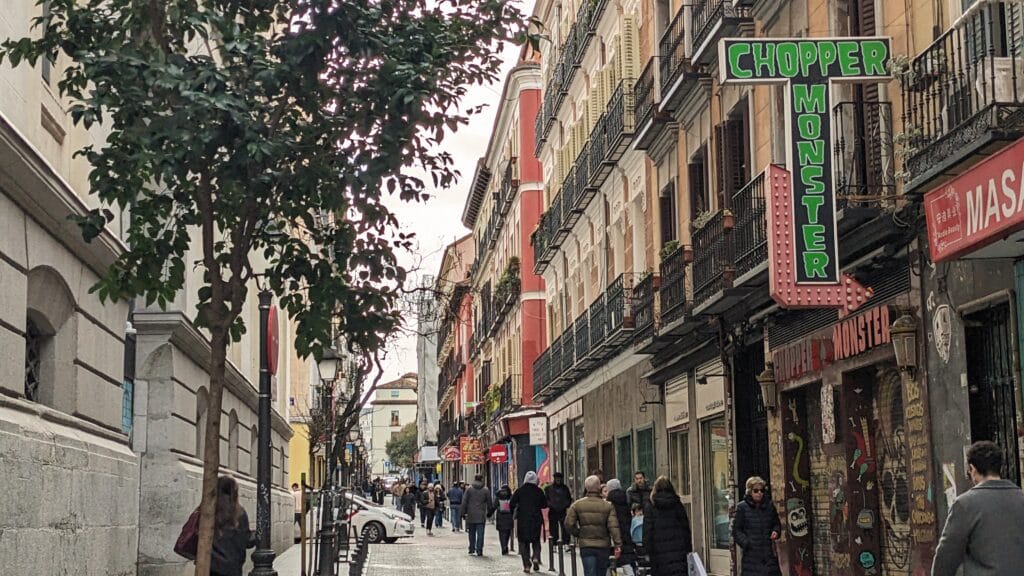
Away from the tourist traps of Sol, lies Malasaña, a graffiti-spattered yet elegant neighbourhood filled with achingly cool boutique shops and hidden treasures. Once seedy and even a little dangerous, it’s been transformed for better and worse in the past few years by gentrification, making it a safer, yet increasingly chichi destination.
While its heart is in Plaza Dos de Mayo, the great thing about Malasaña is that it sprawls across a wide area, so you can explore side streets to your heart’s content. However, this can mean that navigation feels overwhelming, which is why I’ve created this guide to the area, written to coincide with the launch of my new audio tour: Malasaña Backstreets: Rebellious Suburb to Hipster Haven.
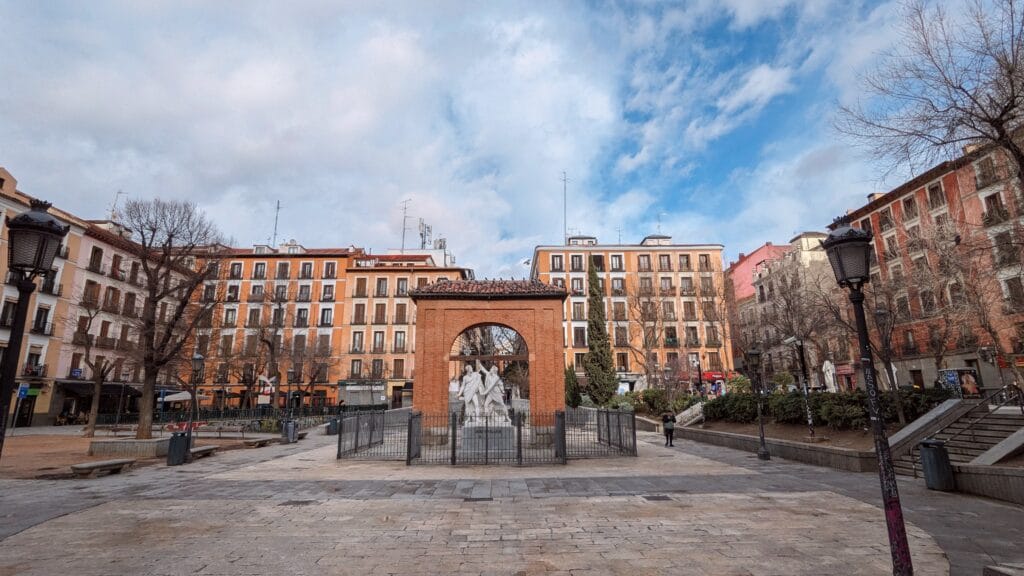
What Makes Malasaña Special?
From burning corpses and revolution to the heady days of the Movida Madrileña, Malasaña has never been boring. And despite rising rents, it’s still slightly shabby around the corners, which to me is a sign that its subversive side is still thriving! Until fairly recently, this was a run-down area with serious drug problems after the transition to democracy. It’s only been since the recovery from the financial crisis that it’s transformed into this hipster haven, and thank goodness it did.
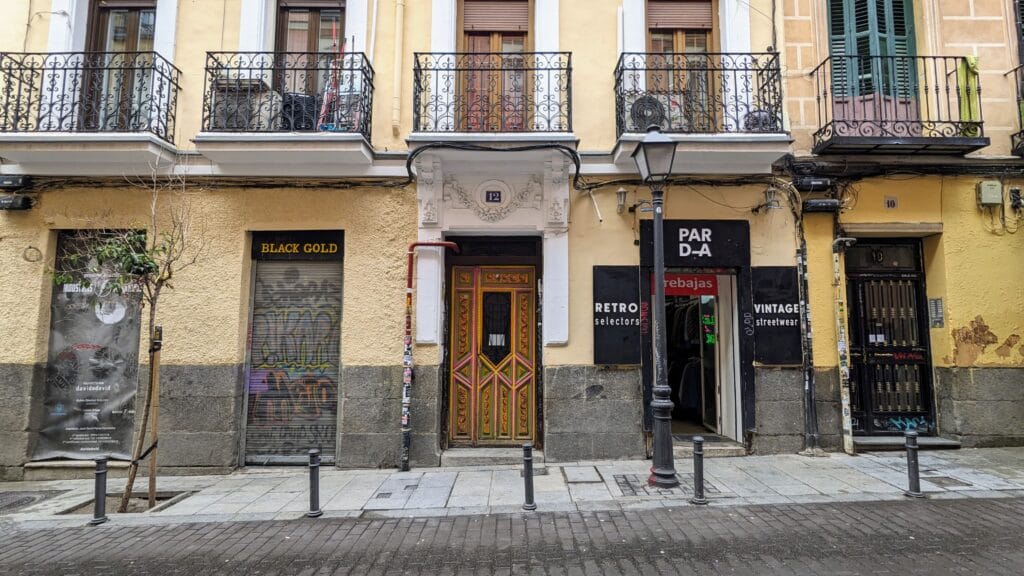
The charm comes from those gorgeous 19th-century tenement buildings that went up during Madrid’s population explosion. The industrial era brought a building boom, and now we get to enjoy the elegant results, even if they’re a bit weathered.
From the author
Want to escape the tourist crowds?
My ebook Quiet Madrid reveals the tranquil spaces and hidden places that most visitors never find — five neighbourhood walks, insider timing tips, and a Lonely Planet writer’s years of local knowledge.
Get your copy — €15 → Interactive ebookA Quick History of Malasaña
Malasaña wasn’t really a thing until 1625, when new city walls were built. Before then, Madrid was much smaller, basically what’s now Gran Vía, with the old city gate located in Callao. But when Felipe II made Madrid the capital in 1561, the city exploded in size, so the old walls were demolished to make way for this new area. The neighbourhood was originally called Maravillas, after a group of nuns who worshipped a magical statue of the Virgin Mary. It was also staunchly working class, the home of Madrid’s famous majos and majas.
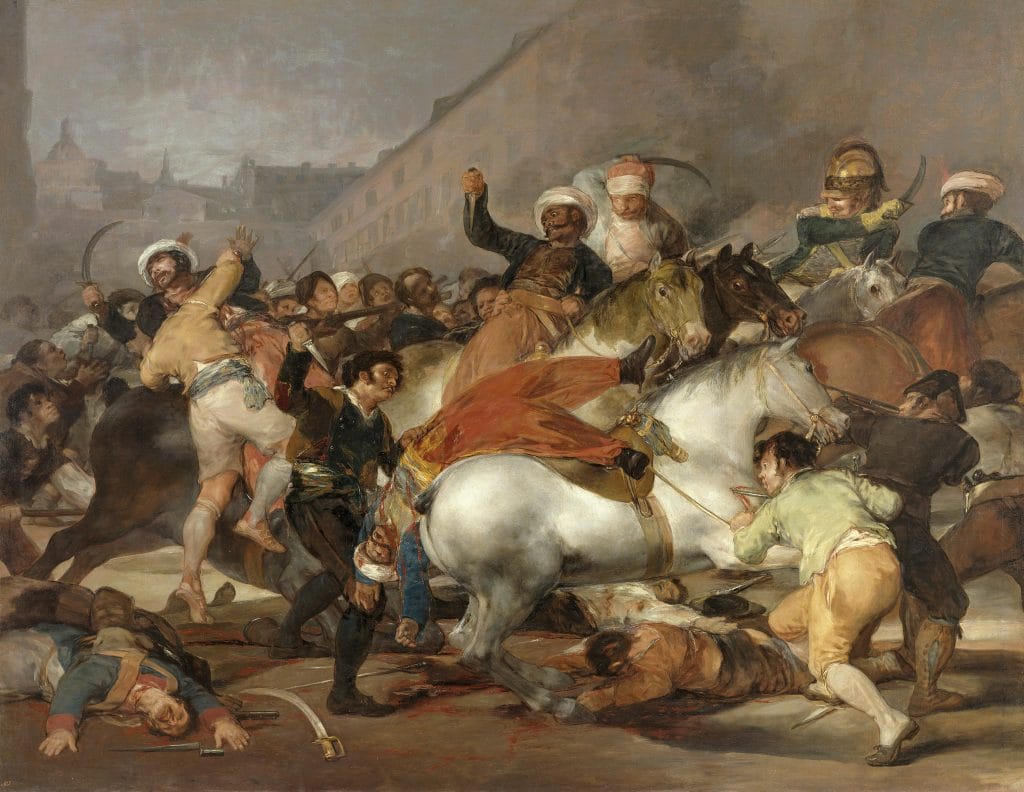
The most dramatic moment in Malasaña’s history was the Dos de Mayo uprising in 1808. This was an all-out pitched battle between Madrid’s citizens and the well-trained occupying French army of Napoleon Bonaparte. It was an absolute bloodbath, but it was key in turning the tide against the French. Many Madrileños were massacred that day, and you can learn all about this incredibly complex topic at the Museo de la Historia de Madrid.
In the 19th century, industrialisation transformed the neighbourhood. Factories went up, as did beautiful tenement buildings, many of which survive today. In fact, one of the joys of wandering its streets is enjoying the sight of this lovely architecture, a particularly charming feature of which are their beautiful old doors.
If you want to take a deeper look at the history of Malasaña, you can get my Voicemap tour…
Must-See Sites in Malasaña
While Malasaña isn’t known for its attractions, there are some genuinely brilliant places worth visiting:
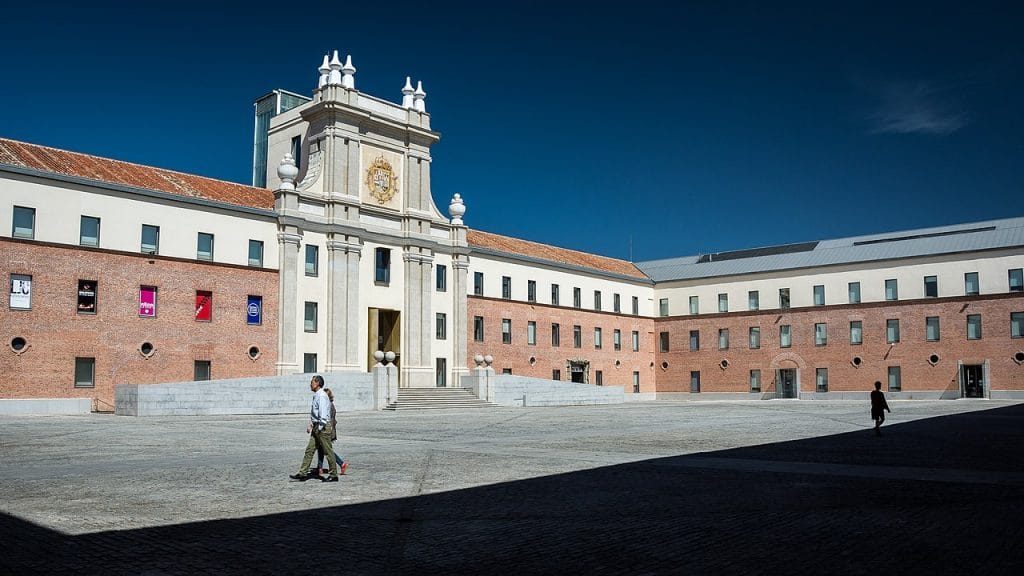
Conde Duque: This 18th-century military barracks has been converted into an absolutely fabulous art centre. It’s got a very good permanent contemporary art gallery and a lovely library inside. Visit during the week and you’ll often find it remarkably quiet, which is rare in Madrid.
Palacio de Liria: While most of this palace was destroyed during the Civil War, its gorgeous facade survived. The incredibly wealthy Dukes of Alba had the entire interior rebuilt. But you’re really here for the astonishing art collection that boasts works by Velázquez, Murillo, Zurbarán, El Greco, Rubens, and Titian. In the library, you can see handwritten manuscripts by Christopher Columbus. The only downside is you have to take an official tour and they rush you through a bit, but it’s absolutely worth it.
San Antonio de los Alemanes: This 17th-century church looks plain from the outside, but inside its walls are absolutely covered in gorgeous frescoes created by Francisco Rizzi and Luca Giordano. There’s now a package deal where you can visit this church plus the Church of San Plácido for about 12 euros. Don’t baulk at the price—the money goes to the monks who run a soup kitchen that feeds many of Madrid’s homeless population every day.
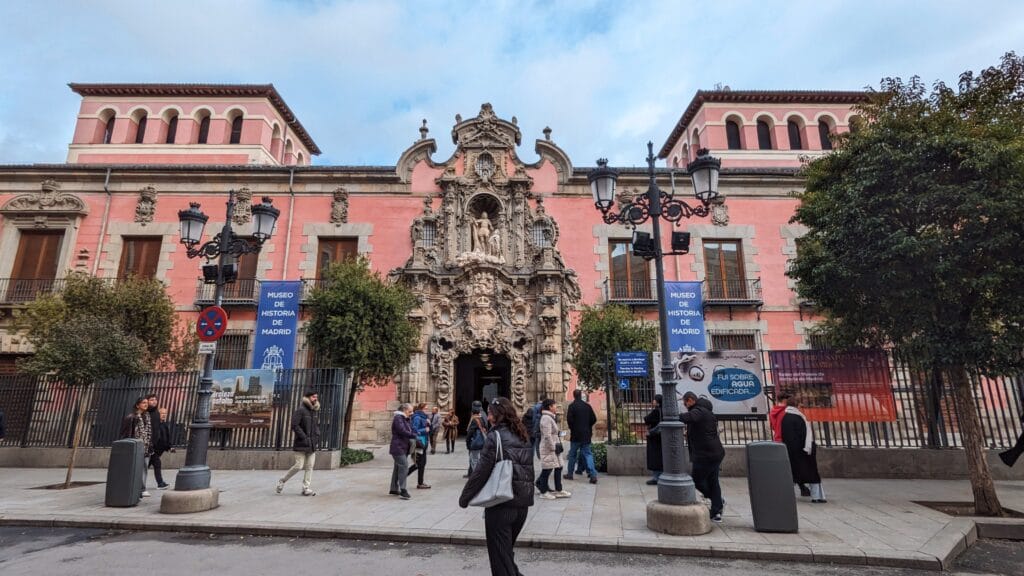
Museo de la Historia de Madrid: Right on the boundary between Malasaña and Chueca, this museum is completely free. Head upstairs to the section covering the 18th and early 19th century to find detailed exhibits about the French invasion and the Dos de Mayo uprisings. It’s very well labelled in English and tells you about the history in great detail.
Where to Eat in Malasaña: The Good Stuff
Cafetería Rocablanca
I’m completely biased here because I’ve met the family that runs this place, but honestly, it’s special. This is what you’d call a bar de toda la vida—a neighbourhood bar that’s been going for years. The couple who ran it for ages have left it to their son Carlos, but they still drop in to chat with the locals.
Carlos is a real foodie and invented these giant croquetas (croquetones) filled with both traditional and innovative ingredients. They’re absolutely delicious. Places like this—real old-school neighbourhood bars—are gradually disappearing, so pop in while you can. You’ll find it opposite the Museo de la Historia de Madrid.
Casa Fidel
If you want to try a proper Menú del Día, Casa Fidel is your place. For those who don’t know, the menú del día is one of the most marvellous things about life in Spain: a set menu that includes starter, main course, dessert, and a drink for one price. At Casa Fidel, it’s €14.50, and you’ll get a real taste of traditional Madrid fare.
Try the cocido, a very traditional Madrid dish with chickpeas and lots of different meats (chorizo, black sausage, and more). Not one for vegetarians, I’m afraid, though you can find vegetarian versions of cocido elsewhere in the city.
Casa Macareno
Not only does this place have the most beautiful facade from the 1920s (part of Madrid’s golden age of commercial ceramic art), but they also do a fabulous Menú del Día for €15. They’re slightly less traditional than Casa Fidel, but the cazón (dogfish or small shark) that they marinate and serve rebosado (battered and deep-fried) is absolutely stellar.
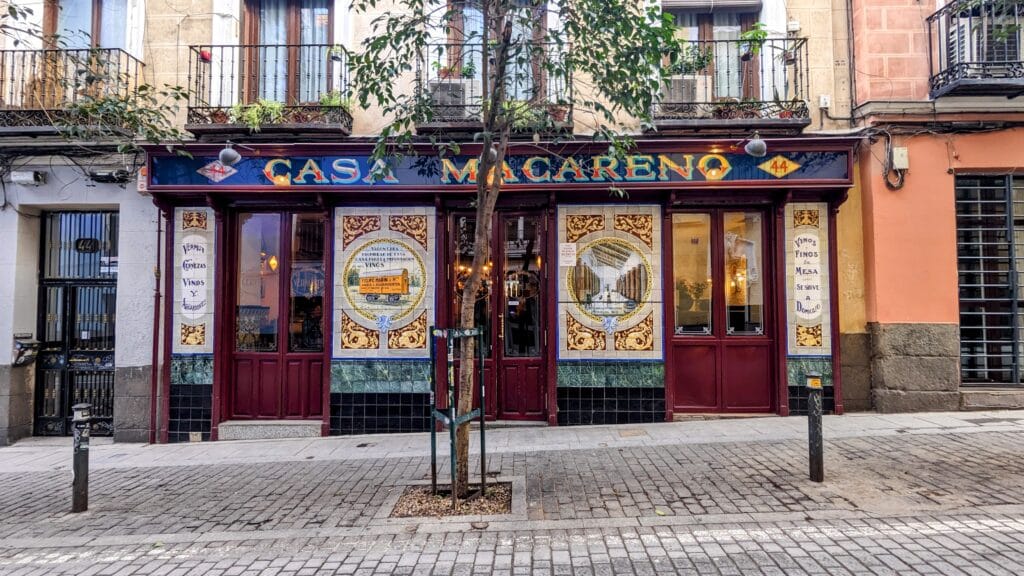
Word is out, so you really have to book in advance. It’s a bit more touristy than Casa Fidel, but the food is genuinely decent. Remember, you have to eat on a weekday lunchtime to get the Menú del Día.
Vega Álamo
My favourite vegetarian restaurant in Madrid also does a great set lunch deal. With exposed brick walls and tattooed waiters, it’s admittedly hipstered to the hilt but who can complain when the food is this good? Try the pad Thai and croquettas.
Where to drink in Malasaña
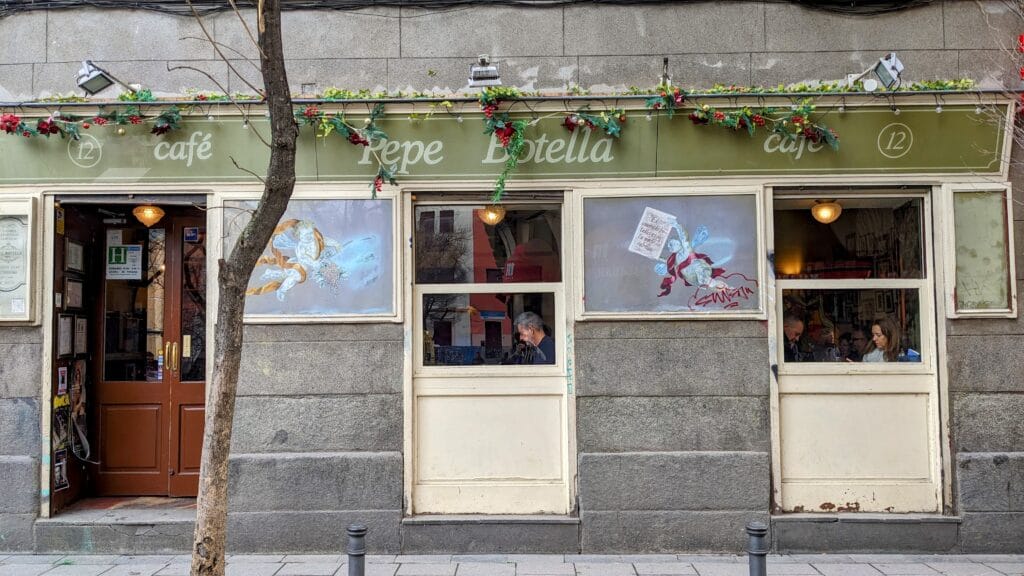
Pepe Botella
This bar on Plaza del Dos de Mayo isn’t too loud and noisy, which is exactly why I love it. It’s been run by the same lady for ages, and I’m always afraid they’ll close down and reopen as a pricy boho joint, but so far it’s remained beautifully the same. For now, you still get a biscuit with your coffee and can rely on the fact that the soundtrack will be unobtrusive jazz.
La Taberna de La Copla
A neighbourhood gem that’s consistently brilliant. My friend and I used to call this the Big Jar Bar because it’s filled with a fantastic collection of Roman amphorae. The other great thing about La Taberna de La Copla is that they actually give you free tapas that’s something beyond a bowl of crisps – a slice of cheese or a piece of cold meat – which is increasingly a rarity in Madrid! Tucked away just off Calle Pez, the atmosphere is also amazing.
360º Rooftop Bar
I was kind of debating about this one because although it’s in Malasaña officially, I never think of it as Malasaña. It’s in this austere building that overlooks Plaza de España, built during Franco’s dictatorship—very fascist monumental architecture. But it’s recently been renovated and turned into the Hotel Riu.
They have the most incredible views of all of Madrid out towards the palace and over Malasaña as well. Don’t go there if you’re afraid of heights because they’ve got this glass walkway where you can look down to a huge drop—it’s a little bit scary. The downside is you have to pay to get in, but if you’re here on a visit and you want a spectacular view in the evening, do check this one out.
Live Music and Nightlife in Malasaña
Malasaña is absolutely brilliant for live music. Here are the spots to know about:
El Perro de la Parte de Atrás del Coche
Yes, it’s quite a mouthful. This underground bar doubles as a nightclub and is fantastic for gigs. Here’s a good trick: if you get a ticket to see a band, you can stay on and carry on dancing afterwards.
Fotomatón
Tiny little place, but I love seeing small, slightly unheard-of, quirky bands here. If you’re lucky, you might catch a great act like local band Los Caballeros de Dusseldorf, who collect weird little machines at the Rastro and turn them into instruments. Really good fun.
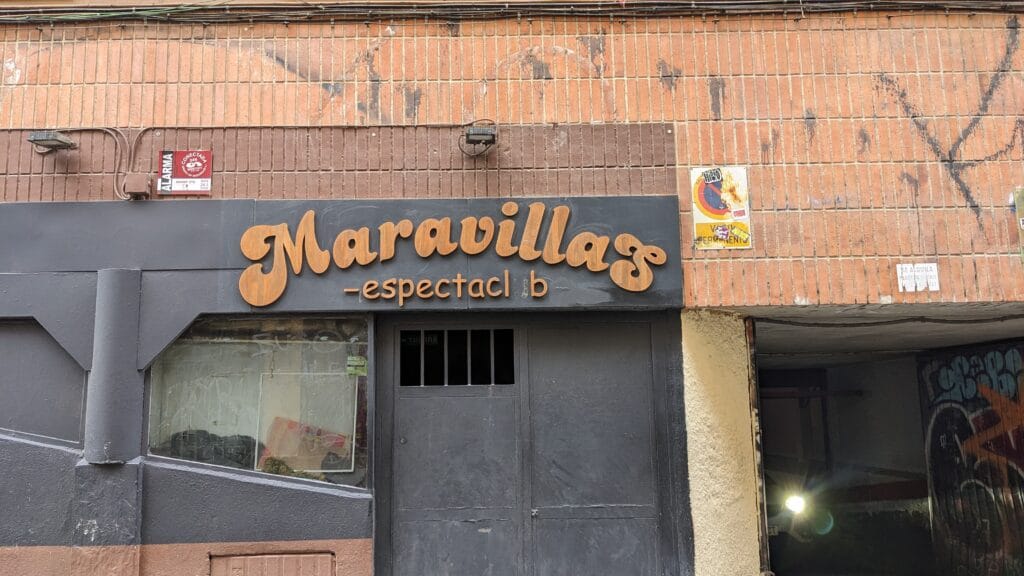
Maravillas Club
Named after the old name for Malasaña, this club has one of those dance floors that lights up in different colours—very disco. I’ve seen loads of great gigs here and been out dancing. It’s a proper good time.
Tupperware
If you’re feeling a bit nostalgic, you can go and have a boogie to classic indie tunes at Tupperware. Like the old Movida hangout El Penta, next door, this is a disco bar. These are bars that play music but have a small area where you can dance. They’re more cramped than nightclubs but get going earlier. You can have a few drinks, a quick dance, and head home. Tupperware is my favourite in the area.
Tips for Visiting Malasaña
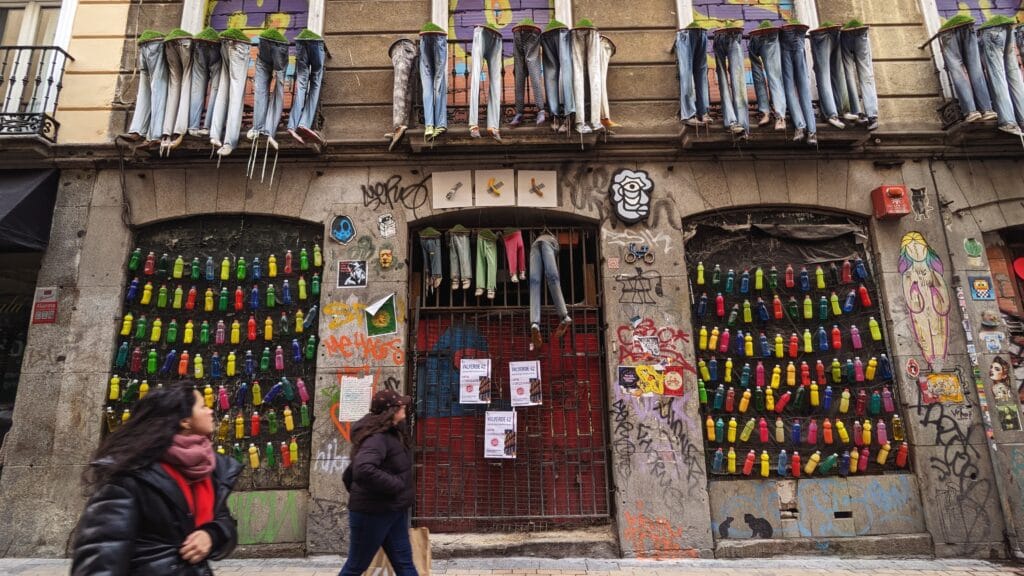
Get Lost: Malasaña is quite sprawling without official boundaries, and the best way to experience it is to wander the backstreets. The heart of the neighbourhood is around Plaza del Dos de Mayo, but don’t be afraid to explore further.
Timing Matters: Visit bars during the week to see the neighbourhood at its most authentic, full of locals. Weekends bring more tourists and can get quite busy.
Book Ahead: Popular spots like Casa Macarena fill up quickly, especially for the Menú del Día.
Embrace the Shabbiness: Not everything in Malasaña is polished and perfect, and that’s part of the appeal. The neighbourhood wears its history on its sleeve.
Stay Safe: While Malasaña is much safer than it was in the 1980s and 90s, it’s still smart to keep your wits about you, especially late at night.
Frequently Asked Questions About Malasaña
Is Malasaña safe for tourists?
Yes, Malasaña is perfectly safe for tourists. While it had serious problems with drugs and crime in the decades after the transition to democracy, it’s been gentrified significantly since the financial crisis. Just use common sense—keep an eye on your belongings and be aware of your surroundings, especially late at night. The area is now one of Madrid’s trendiest neighbourhoods and sees plenty of foot traffic day and night.
What’s the best way to get to Malasaña?
The easiest metro stops are Tribunal (lines 1 and 10), Noviciado (line 2), and San Bernardo (lines 2 and 4). From any of these, you’re right in the heart of the neighbourhood. You can also walk from Gran Vía in about 10 minutes.
When is the best time to visit Malasaña?
For the authentic neighbourhood atmosphere, visit during weekday lunchtimes to experience the Menú del Día culture and see locals going about their daily business. For nightlife and live music, Thursday through Saturday evenings are when Malasaña really comes alive. If you want to avoid crowds, weekday evenings offer a nice balance.
How can I learn about the history of Malasaña?
Head to the Museo de la Historia de Madrid for a deep dive into the French occupation and the resulting local rebellion. Alternatively, get my Malasaña Backstreets audio tour on VoiceMap, which takes you through the history of the area from sleepy suburb to hipster haven.
How much should I budget for a meal in Malasaña?
A Menú del Día will set you back €14-15 and includes starter, main, dessert, and a drink—excellent value. For dinner à la carte, expect to spend €20-30 per person. A caña (small beer) costs around €2-3, and cocktails are typically €8-12. Brunch at places like La Muza runs about €12-15 per person.
What’s the difference between Malasaña and Chueca?
The neighbourhoods border each other, with the boundary roughly around Calle Fuencarral. Chueca is Madrid’s LGBTQ+ hub with a slightly more polished, cosmopolitan feel. Malasaña has more of an alternative, indie vibe with a grittier edge. Both are brilliant for nightlife, but Malasaña tends to be better for live music and that slightly rough-around-the-edges authenticity.
Can I visit Malasaña with children?
Absolutely. During the day, Malasaña is a residential neighbourhood with plenty of families. Many of the traditional bars and restaurants welcome children at lunchtime. Plaza del Dos de Mayo has space for kids to run around. Just be aware that it gets much more adult-oriented in the evenings, especially on weekends.
What should I not miss in Malasaña?
Don’t miss the hidden gems like San Antonio de los Alemanes church with its stunning frescoes, a Menú del Día at a traditional bar like Casa Fidel, and simply wandering the backstreets to soak up the atmosphere.
Is Malasaña good for vegetarians and vegans?
Yes, increasingly so. While traditional Madrid cuisine is very meat-heavy, the hipster wave has brought excellent vegetarian and vegan options. Vega Alamo does great plant-based options, and many modern cafés and restaurants cater well to vegetarians. Just be aware that traditional spots like Casa Fidel are quite meat-focused.
How long should I spend in Malasaña?
You could easily spend a full day and evening here. Have lunch at a traditional spot for Menú del Día, wander the streets in the afternoon visiting churches and galleries, enjoy early evening drinks at a classic bar, have dinner at one of the trendy restaurants, and finish with live music or dancing. If you’re staying in Madrid for several days, Malasaña is worth multiple visits to fully explore.
What’s the Movida Madrileña
La Movida Madrileña was a countercultural movement that exploded in Madrid after Franco’s death in 1975. It was characterised by a sense of liberation, creative expression, and hedonism after decades of dictatorship. Malasaña was at the heart of this movement, with its bars, clubs, and streets becoming the stage for this cultural renaissance. The spirit of the Movida still influences the neighbourhood’s character today—that slightly rebellious, creative, anything-goes attitude.
Malasaña is the kind of place that reveals itself slowly. You can’t just tick off a list of sights and call it done. You need to wander, stop for a caña here and a tapa there, listen to a band in a tiny venue, and chat with the bartender at a bar de toda la vida. That’s when you’ll really understand why this neighbourhood has always been at the forefront of Madrid’s cultural life, from revolution to the Movida to today’s hipster renaissance.
For more on the neighbourhood, check out my newly launched audio tour of the area: Malasaña Backstreets: Rebellious Suburb to Hipster Haven


Pingback: Travel to Madrid, Spain – Episode 1011 - Amateur Traveler