
Explore the city with me on a VoiceMap tour. The concept is simple: after installing the app, you can then buy my tour, download it to your phone and set off! Audio automatically triggers when you reach each point on the map and a voice will gently let you know if you’ve gone way off route! The routes not only cover the history of the big sites but they also reveal hidden features you may have missed on your own. I’ve currently got tours covering Retiro, Madrid’s Literary District, Medieval Madrid and Malasaña’s backstreets.
Madrid’s Literary District
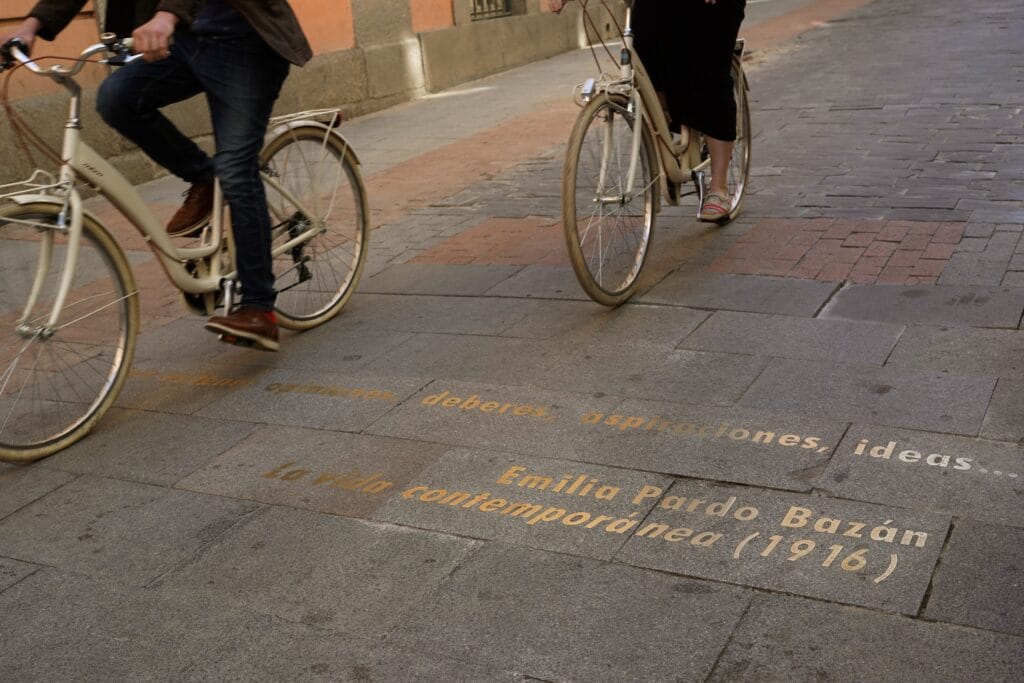
The charming Huertas area has been Madrid’s literary hub ever since 1583. On this walking tour through Barrio de las Letras (known as the Literary Quarter), you’ll find out how writers shaped the city, from the Golden Age (Siglo de Oro) up to the present day.
El Retiro Park
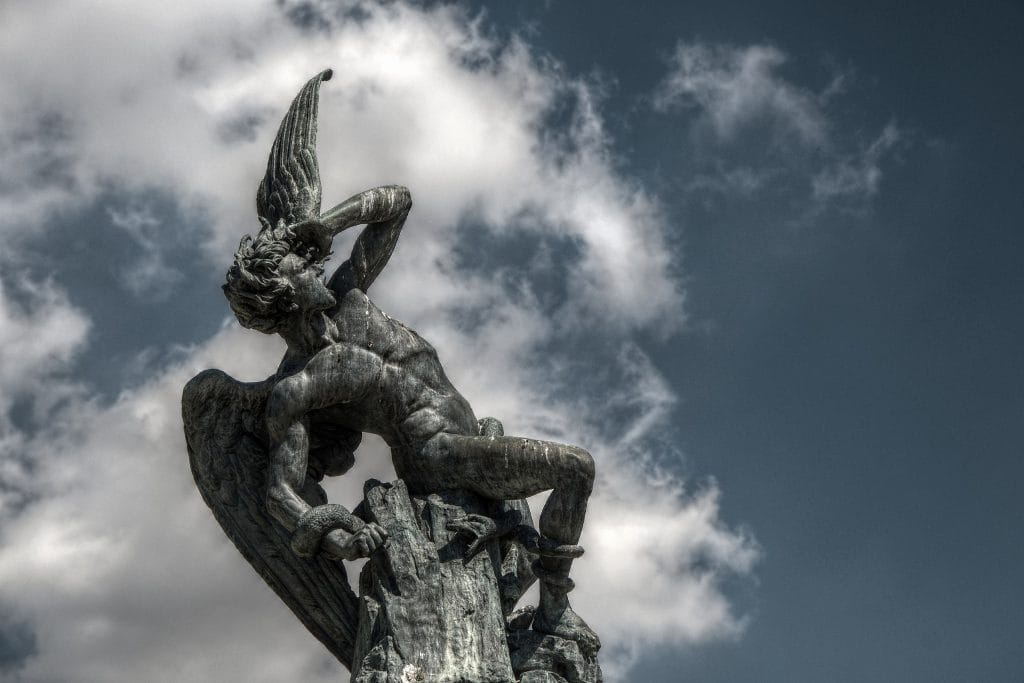
At the heart of Madrid’s picturesque Retiro neighbourhood is the much-loved El Retiro Park. Long before it became a public park, it was a royal retreat. On this walking tour, you’ll explore the UNESCO World Heritage Site and hear its fascinating 500-year-long history.
Medieval Madrid
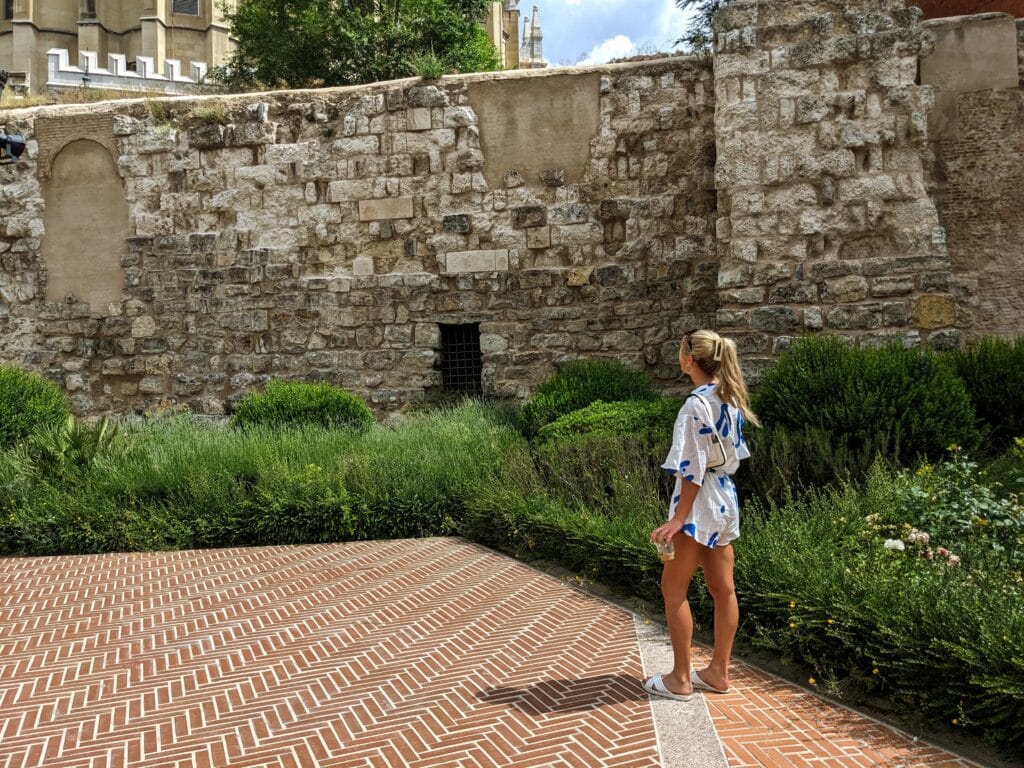
Madrid’s Islamic heritage comes alive in its oldest neighbourhoods’ winding streets. On this walking tour, you’ll see medieval walls, hidden towers, and forgotten sites that tell the story of Mayrit – Madrid’s original Arabic name. Moving between Royal Madrid and La Latina, this Medieval Madrid tour aims to surprise and inform.
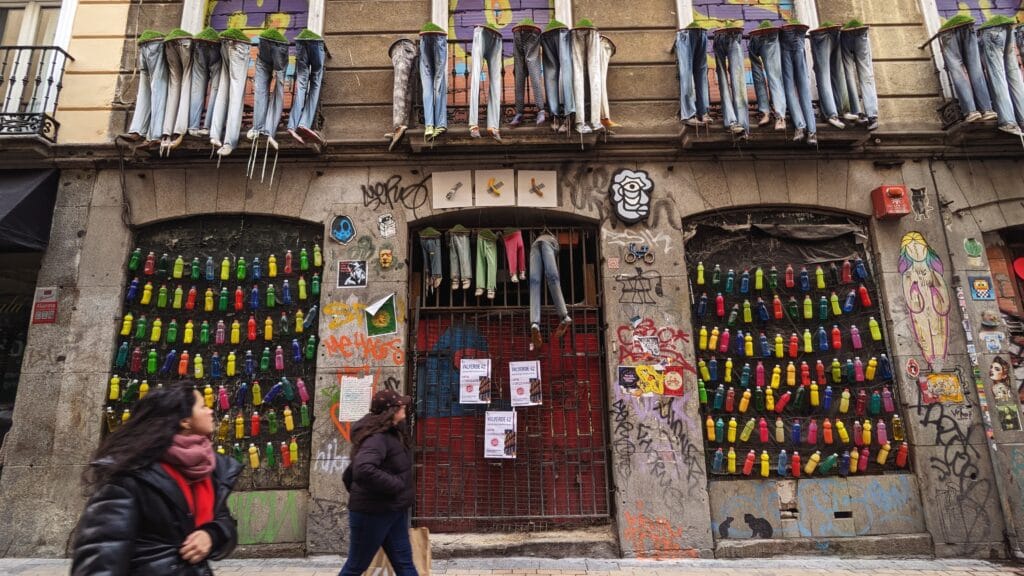
Burning corpses, sex crazed nuns, revolution and prostitution! Even before becoming the hipster paradise it is today, Malasaña has never been boring. On this tour of Malasaña’s backstreets, you’ll find out about its roots as a pious and yet somewhat sleazy suburb, about the Dos de Mayo uprisings, and the heady post-transition days of the Movida.
More details
Madrid’s Literary District: A Barrio de las Letras Tour
On this walking tour through Barrio de las Letras (known as the Literary Quarter), you’ll find out how writers shaped the city, from the Golden Age (Siglo de Oro) up to the present day.
Starting in front of Teatro Español on Plaza de Santa Ana, you’ll stroll through the district’s quaint streets to see where a world-weary Cervantes settled to pen Don Quijote, just down the road from his greatest frenemy, Lope de Vega. I’ll also show you where, centuries later during the Spanish Civil War, Hemingway whet his whistle in bars like La Venencia and Ceveceria Alemana.
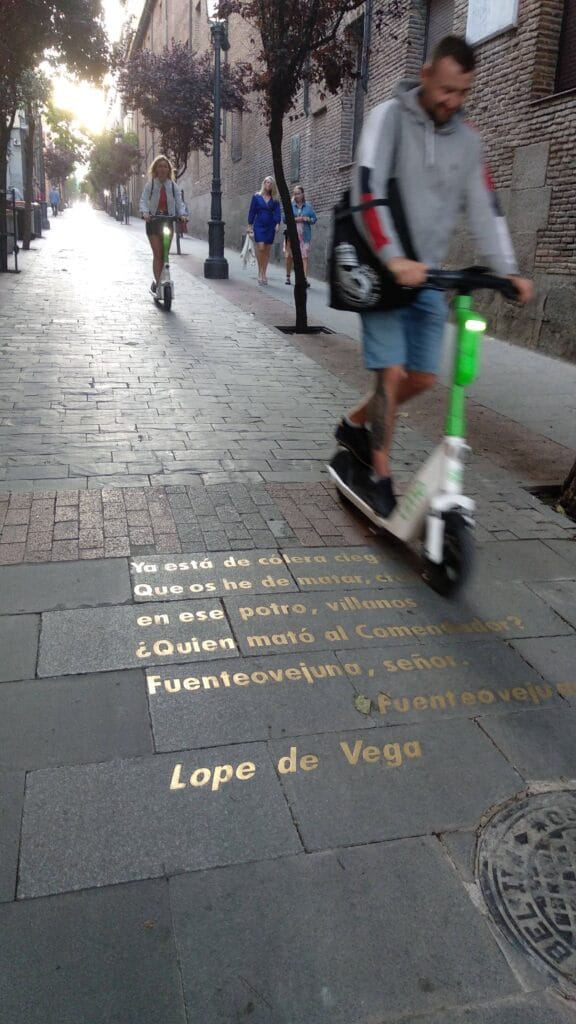
Along the way, you’ll discover interesting shops like Miguel Miranda bookstore and Brown Bear Bakery, and historical bars like Viva Madrid and Casa Alberto. I’ll show you the ancient convent, Convento de las Trinitarias Descalzas de San Ildefonso, where Cervantes’ bones are interred. You’ll also see a statue of Spain’s greatest writer, Miguel de Cervantes, standing proudly in Plaza de las Cortes where you can learn all about Spain’s rocky road to democracy.
The tour ends at El Angel del Jardin, a picturesque garden and florist that’s haunted by the lively spirits of the neighbourhood’s long-dead writers.
Along the way, you’ll:
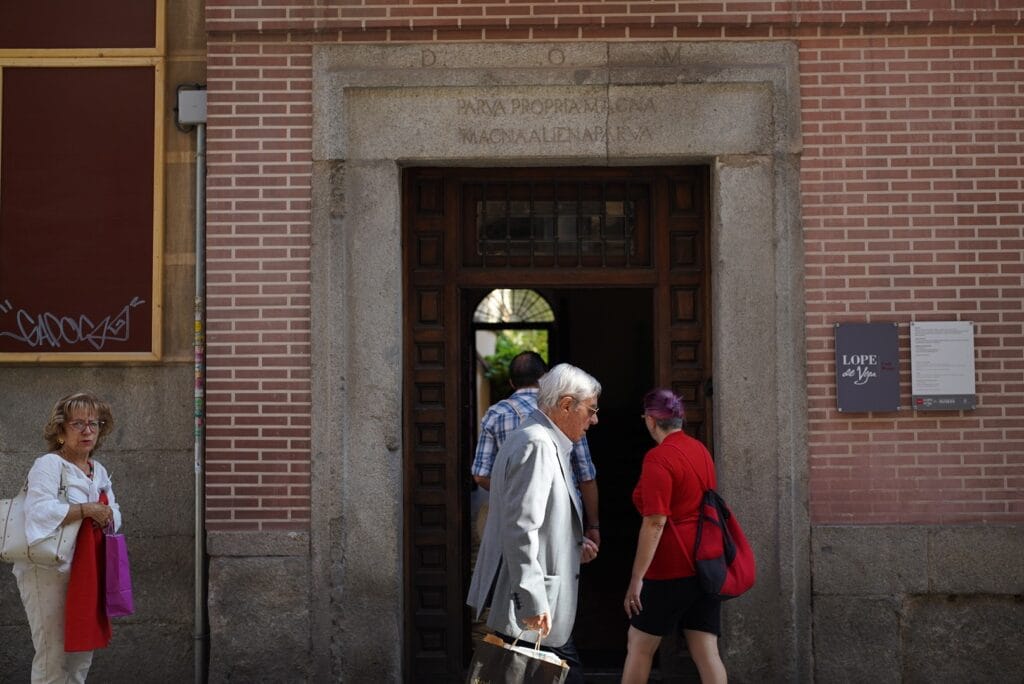
• Visit Lope de Vega’s House Museum, the playwright’s charming 16th-century house and garden
• Learn about the bitter rivalries raging between Madrid’s talented writers
• Pass by the historic literary institution, Ateneo de Madrid
• Drop by some of Hemingway’s favourite drinking holes
• Witness the Siege of Madrid through the eyes of writers like Laurie Lee
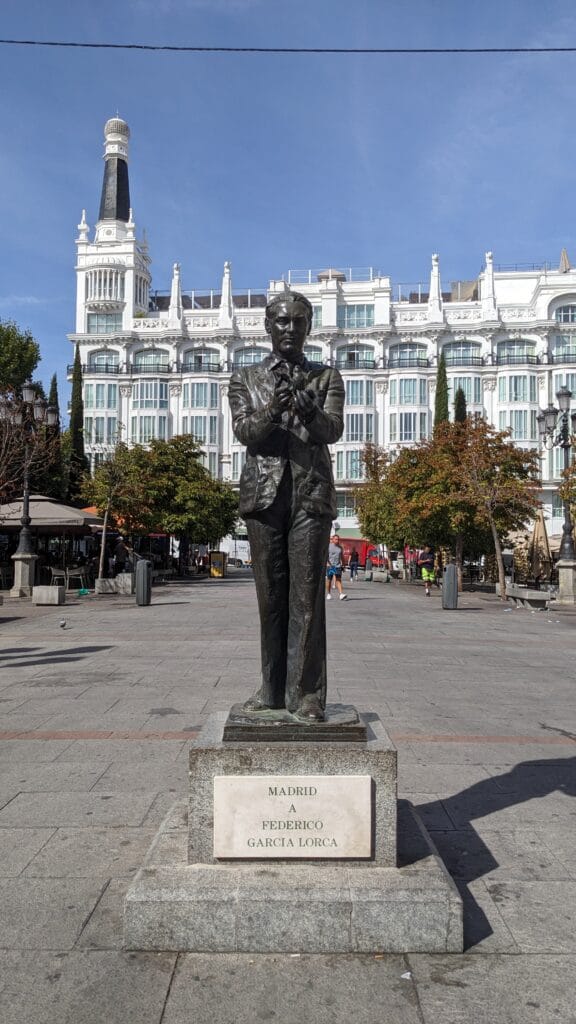
• See the statue of Frederico Garcia Lorca, Spain’s greatest poet
Join me on this leisurely 60-minute walk through Barrio de las Letras, Madrid’s literary district, and find out how the area, the city and the country were shaped by some of the world’s greatest writers.
Medieval Madrid: A Guide to the City’s Muslim Past
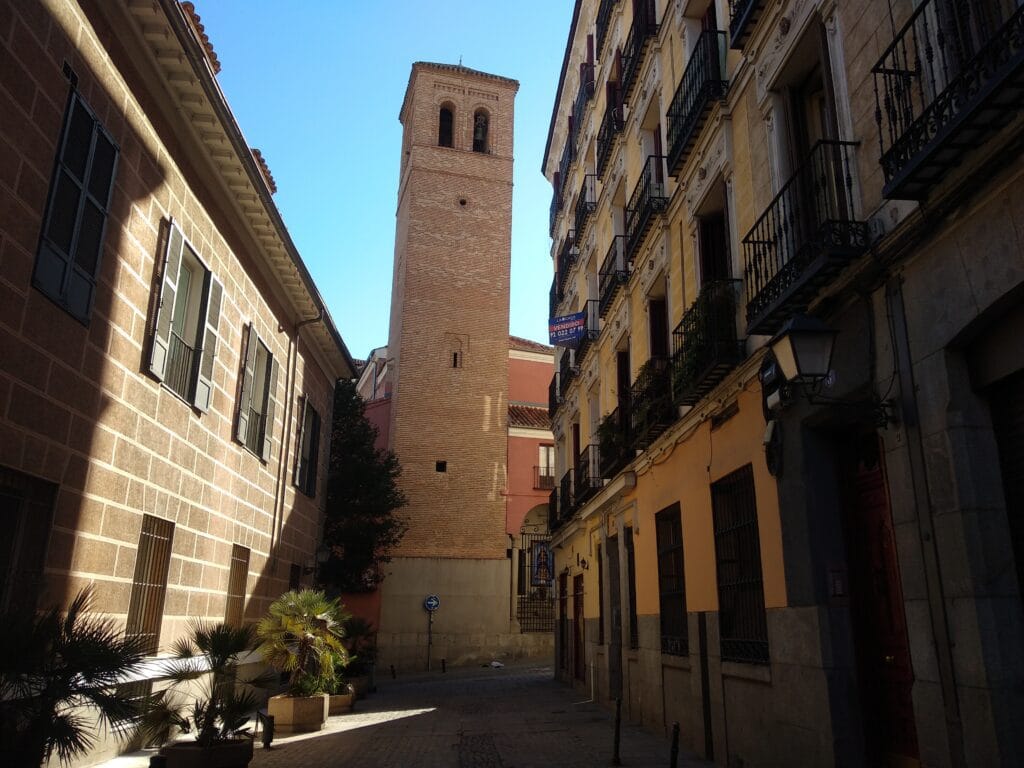
Madrid’s Islamic heritage comes alive in its oldest neighbourhoods’ winding streets. On this walking tour, you’ll see medieval walls, hidden towers, and forgotten sites that tell the story of Mayrit – Madrid’s original Arabic name.
Starting at the Monument to Felipe IV in Plaza de Oriente, you’ll peel back layers of history to reveal the fascinating Muslim foundations of Europe’s only capital city to be founded by an Islamic ruler. You’ll see grand royal monuments and the underground archaeological Remains of the Tower of Bones. And you’ll learn how a ninth-century Muslim ruler established a watchtower that would evolve into the modern metropolis, and how subsequent Christian kings attempted to obscure this inconvenient historical truth.
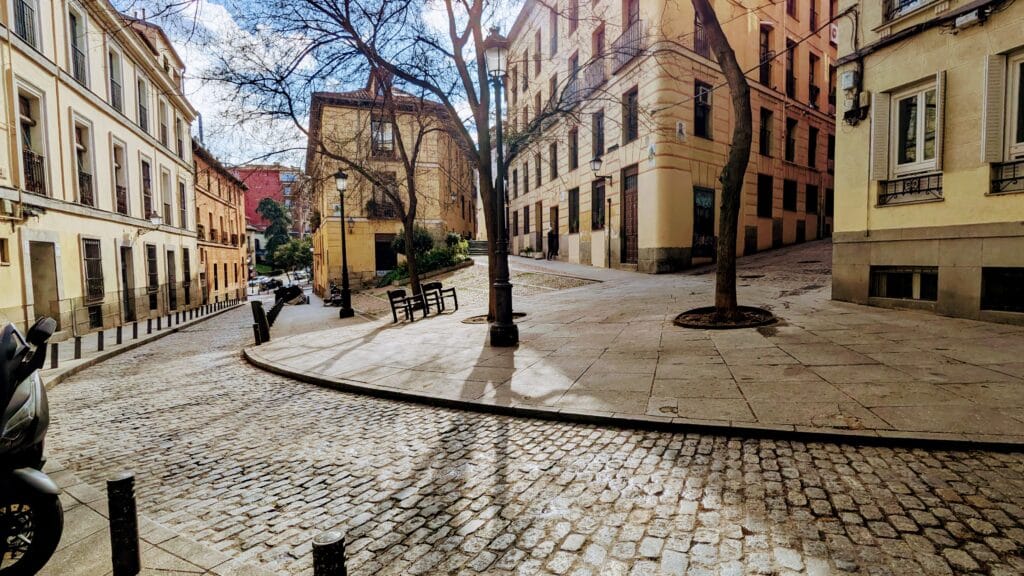
As you make your way to the charming Plaza de los Carros where the tour ends, you’ll wander through the charming cobblestone streets of the former Morería (Muslim quarter). You’ll explore how Christians, Muslims, and Jews coexisted through centuries of shifting power dynamics, leaving their mark on everything from architecture and art to language and cuisine.
On this 90-minute walk through Madrid’s overlooked medieval heritage, you’ll have the chance to:
• Visit Madrid’s oldest church, San Nicolás el Real (the church of Saint Nicholas), whose tower displays the distinctive horseshoe arches and architectural elements borrowed from mosques
• Trace the impressive medieval walls of both Muslim Mayrit and Christian Madrid, built of flint, giving rise to part of the city’s motto: ”My walls are made of fire”
• Take in the hidden Plaza de Alamillo, once the gathering place for the self-governing Muslim community after the Christian conquest
• See the former Morería district, where Madrid’s Muslim population continued to live and work after the Christian reconquest
• Learn how Muslim artisans shaped Madrid’s architecture through the distinctive Mudéjar style, still visible in surviving medieval towers
• Stroll through the historic Garden of the Prince of Anglona, restored with elements of both Roman and Andalusian garden design
• Find traces of underground qanats (waterways) that gave Madrid its name, reflecting the advanced hydraulic engineering of its Muslim founders
By the end of this Madrid tour, you’ll see how the city’s Islamic roots continue to influence its present, from its architecture and urban layout, to its cuisine and even its language.
El Retiro Park’s Rise, Ruin and Redemption: A Tour of the Former Royal Retreat
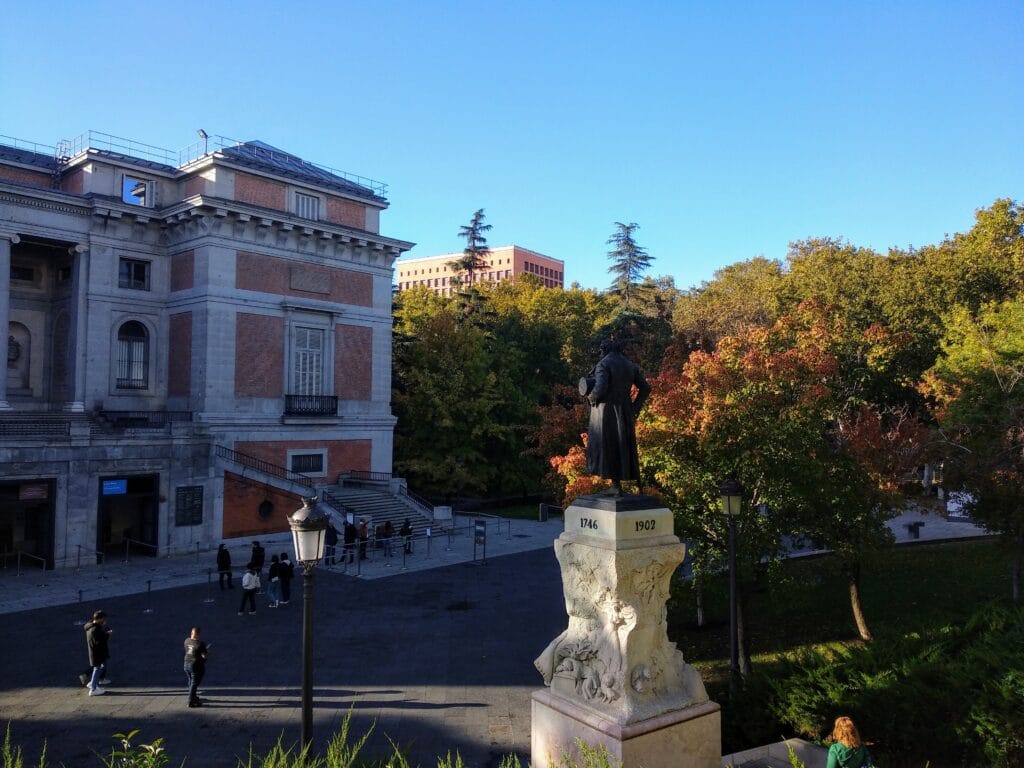
Our tour starts in front of the Monument to Goya, where you’ll hear about the famous painter and the Prado museum’s collection, before moving on to San Jerónimo Real church where you’ll learn about how Philip II made Madrid Spain’s capital when he moved his court here in the 1500s. You’ll stroll through the Retiro neighborhood, passing the remains of the splendid pleasure palace – the El Casón del Buen Retiro and the Salon de los Reinos – built for Phillip IV as a place for him to relax away from the public eye. From there you’ll wander through the park, past the Great Pond of El Retiro and the former enclosures of the Antiguo Zoo de Madrid to the Fountain of the Fallen Angel where our tour ends. As you walk, the park’s history will sweep you up, taking you through the ages, from the decadence of this playboy king, to the destruction wrought by Napoleon’s army and into the present day, giving you an insight into modern Spain.
On this Madrid walking tour, you’ll have a chance to:
• Discover how the spiritual retreat of San Jerónimo el Real church was later transformed into an enormous pleasure palace
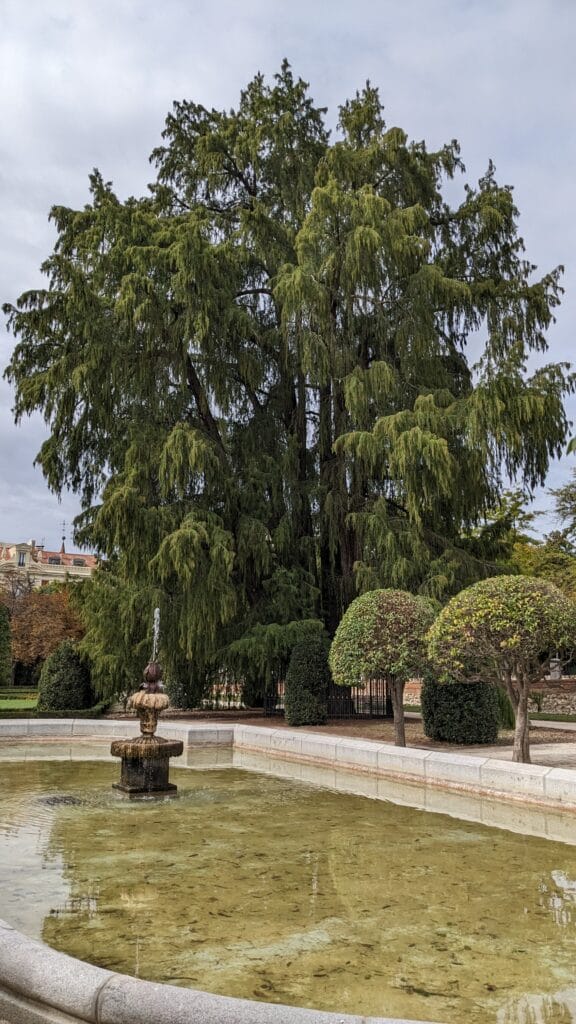
• Find out how Retiro’s oldest tree survived the ravages of Napoleon’s invasion
• Hear the hair-raising history of the House of Beasts where lions and tigers fought for the entertainment of Spain’s kings
• Learn about the rebellious Nobel prize-winning Ramón y Cajal by a monument to the neuroscientist
• Take a peek at the peacocks strutting around a hidden walled garden at the far reaches of the park
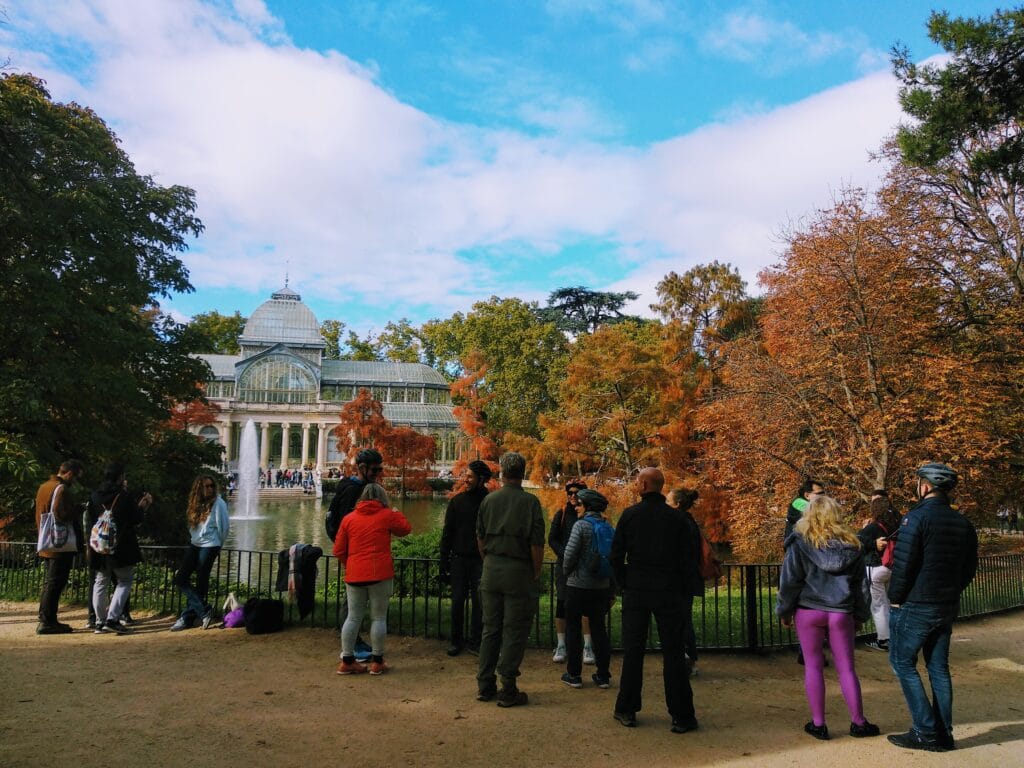
• See the lake in front of Palacio de Cristal where Pizarro the elephant used to bath
By the end of this hour-long tour, you’ll have discovered another side to Madrid’s most famous park, gaining an insight into its hidden history and often overlooked sights.
Malasaña Backstreets: Rebellious Suburb to Hipster Haven
Burning corpses, sex crazed nuns, revolution and prostitution! Even before becoming the hipster paradise it is today, Malasaña has never been boring.
On this tour of Malasaña’s backstreets, you’ll find out about its roots as a pious yet somewhat sleazy suburb. You’ll also hear about the Dos de Mayo uprisings against the French in 1808, and the Movida cultural revolution at the end of the dictatorship.
The tour starts outside the old city walls at Plaza de la Luna, in front of the former cinema Cines de la Luna – in an area where heretics were once taken to be burned at the stake. You’ll wind through narrow streets to the Church of San Antonio de los Alemanes – Madrid’s answer to the Sistine Chapel. Along the way, you’ll hear about King Felipe IV’s saucy nocturnal adventures, and the shocking events at San Placido convent that scandalised Madrid’s nobility in the 1600s.
You’ll then head to Plaza Dos de Mayo, where rebel captains Daoiz and Velarde helped ordinary citizens fight Napoleon’s occupation during a doomed uprising. I’ll tell you the story of Manuela Malasaña, a seamstress who was shot for wielding scissors in front of French soldiers and later gave the neighbourhood its unofficial name.
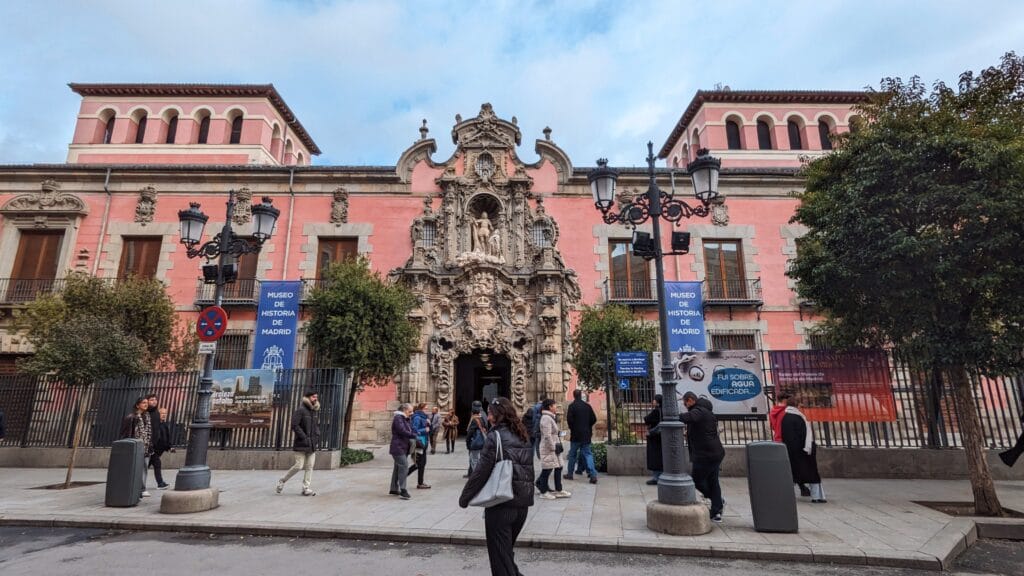
You’ll have a chance to visit the bars where the Movida movement exploded in the 1980s, when artists like Pedro Almodóvar and Alaska y Dinarama turned Malasaña into Madrid’s creative epicentre after decades of dictatorship. The tour ends outside Museo de la Historia de Madrid, the city’s splendid history museum. Housed in an 18th-century hospice with a spectacular baroque entrance, here you can delve deeper into the city’s turbulent past.
On this 60-minute tour, you’ll have a chance to:
- Walk past Teatro Lara with its chocolate-box facade and learn about Microteatro, a compact form of theatre invented in a former brothel
- See a creative graffiti montage grown from a guerrilla garden and go down Calle del Pez, a street named after a legendary fish that’s brimming with creative street art
- Discover the sex scandals swirling around the Convent of San Placido
- Learn about Concepción Arenal, who disguised herself as a man to attend university lectures in the 1800s
- Visit the tiny house of Ratoncito Perez, Spain’s answer to the tooth fairy
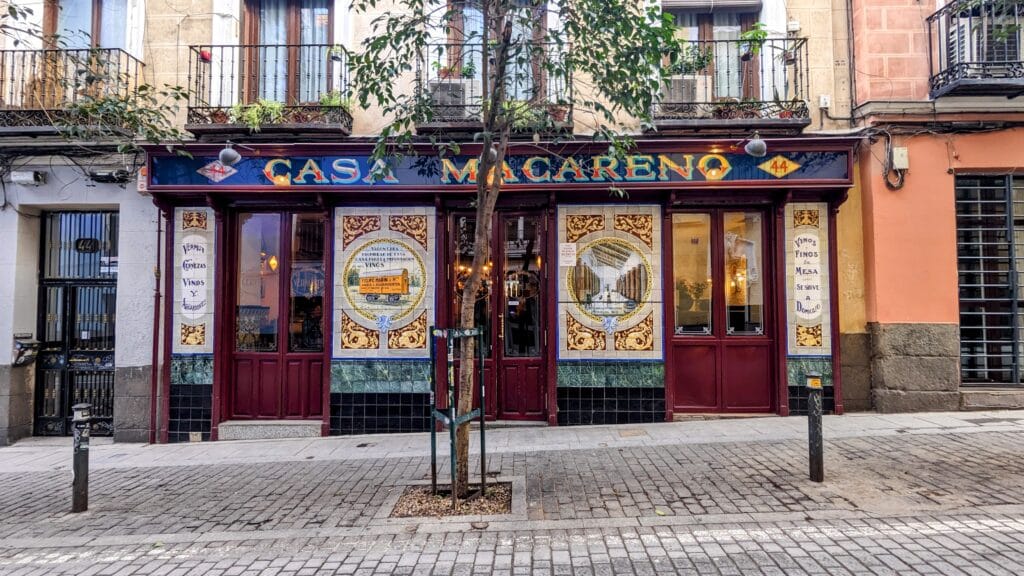
- Admire the stunning 1920s tilework at Casa Macareno and Farmacia Juanse
- Stop at the bars where Spain’s post-Franco countercultural revolution took off
This neighbourhood has always attracted rebels, artists, and free thinkers – you’ll understand why by the time you’re done!